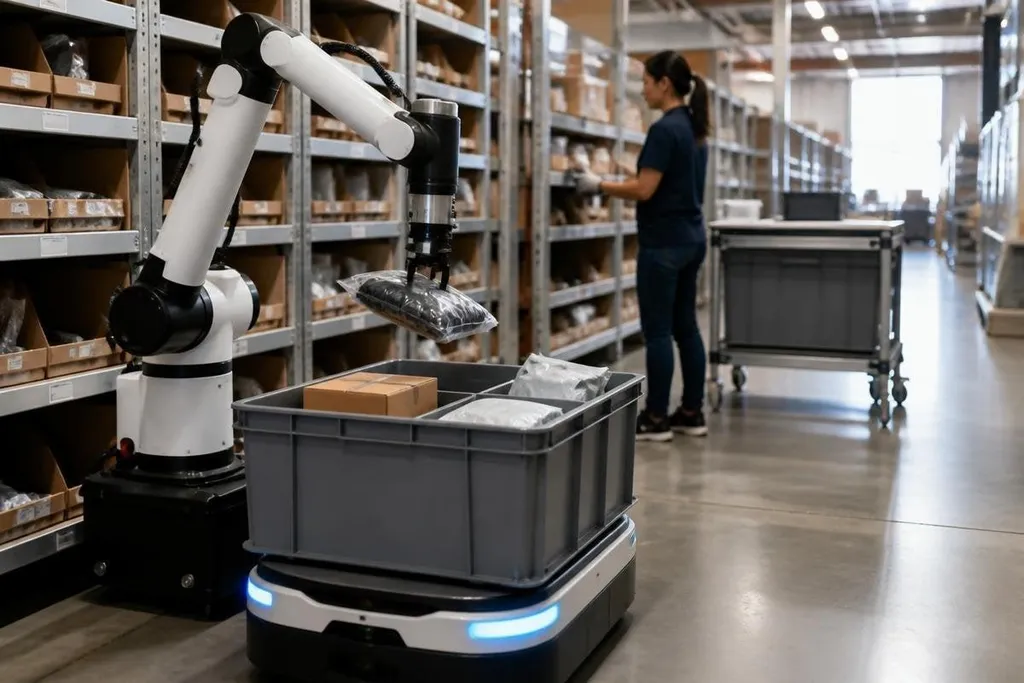
Defining Technology: Beyond Basic Definitions
Technology is a broad term encapsulating the methods and tools that humans employ to manipulate their environment and enhance their lives. It covers a vast array of innovations, from the wheel to the internet. Understanding technology requires delving into its origins, applications, and implications for society. In our increasingly technology-driven world, this comprehension is vital. For a more detailed exploration, you might consider visiting Technology, which offers insights into contemporary technological shifts.
The Origins and Evolution of Technology
To grasp the full scope of technology, we must first explore its history. The journey of technology began with early human beings who devised simple tools from stones and wood. As societies evolved, so too did their technological capabilities. The agricultural revolution marked a significant turning point; it enabled communities to move from nomadic lifestyles to settled agricultural societies, providing the foundation for advanced civilizations.
The Industrial Revolution further propelled technology into new realms. Innovations such as the steam engine, mechanized textile production, and ultimately electricity transformed not only the economy but also the fabric of daily life. This era's significant leap toward mass production and consumerism laid the groundwork for the modern technological landscape.
Fast forward to the 20th and 21st centuries, where we witness a rapid acceleration of technological innovation. The rise of computers and the internet has connected the globe and changed how we communicate, work, and live. As we stand at the precipice of artificial intelligence and biotechnology, the evolution of technology raises essential questions about its future, ethics, and impact.
Types of Technology: An Overview
Technology can be broadly categorized into several types, each with unique applications and impacts. Understanding these categories is essential for navigating our tech-centric world.
- Communication Technology: This includes tools and platforms enabling the exchange of information. Examples range from basic telecommunication devices like telephones to comprehensive digital platforms such as social media.
- Information Technology: Focused on the management and processing of information, it encompasses computer systems, software, and databases critical for business operations and education.
- Medical Technology: Innovations in healthcare are transforming disease diagnostics, treatment, and patient management. Advances such as telemedicine and wearable health devices exemplify this area.
- Transportation Technology: From the invention of the wheel to modern autonomous vehicles, transportation technology has altered how society moves and connects.
- Renewable Energy Technology: The pursuit of sustainable energy sources is crucial in combating climate change. Solar, wind, and hydroelectric technologies are paving the way toward a greener future.
Understanding the Impact of Technology on Society
The ramifications of technology on society are vast and multifaceted. On the one hand, technology fosters communication, efficiency, and access to information. On the other hand, it also presents challenges such as security risks, ethical dilemmas, and socioeconomic disparities.
For instance, the digital divide remains a pressing issue, as not everyone has equal access to technology. This gap can perpetuate existing inequalities in education and job opportunities. Moreover, as technology becomes integral to societal functioning, those lacking skills and access may find themselves at a disadvantage.
Conversely, technology has played a crucial role in enhancing quality of life through advancements in medicine, education, and communications. Increasingly, technology shapes not only industries but also daily interactions and expectations of efficiency and productivity.
How Technology Shapes Industries Today
Technology in Business: Enhancing Efficiency
In the business realm, the integration of technology has revolutionized operations. Organizations increasingly rely on technology to automate processes, analyze data, and enhance customer experiences. From customer relationship management (CRM) to supply chain optimization, technology serves as a backbone for efficiency.
Consider the role of data analytics. Businesses are now equipped to analyze customer behavior more accurately, leading to personalized marketing strategies and improved product offerings. Furthermore, automation tools have enabled companies to streamline their operations, reducing costs and improving service delivery.
Moreover, the advent of remote work technologies has transformed workplace dynamics. Concepts like telecommuting have made it possible for companies to tap into global talent while offering employees increased flexibility and work-life balance.
Technological Advancements in Healthcare
The healthcare industry stands at the forefront of technological innovation. Advances in medical research and practice are unprecedented in scope and speed. One notable area is telemedicine, which has expanded access to medical care, especially in rural or underserved areas.
Wearable devices, such as fitness trackers and smartwatches, have empowered individuals to monitor their health actively. These technologies not only encourage a healthy lifestyle but also allow for more efficient chronic disease management.
Additionally, technologies such as artificial intelligence are transforming diagnostic processes and treatment protocols. AI algorithms can analyze medical images and identify anomalies faster than human practitioners, leading to early detection of diseases and better patient outcomes.
Education and Technology: A Modern Approach
Technology has redefined education, providing tools that enhance learning experiences and accessibility. The shift toward digital learning platforms, such as online courses and virtual classrooms, democratizes education by making it available to anyone with an internet connection.
Interactive learning technologies, including gamification, enable students to engage more deeply with material. These approaches foster a more enriching environment that can improve retention and understanding.
Moreover, technology aids teachers in personalizing education. By utilizing data analytics, educators can track student progress and tailor lessons to meet individual needs, ultimately improving academic performance.
Challenges and Risks Associated with Technology
Cybersecurity: Protecting Information in a Digital Age
As reliance on technology increases, so does the risk of cyber threats. Cybersecurity has become a critical concern for individuals and organizations alike, as data breaches and malware attacks can lead to significant financial losses and compromise sensitive information.
To mitigate these risks, organizations must implement robust cybersecurity protocols, including regular software updates, strong password policies, and employee training programs. Moreover, integrating advanced security technologies such as artificial intelligence for threat detection can enhance overall security postures.
The Ethical Implications of Emerging Technologies
The rapid pace of technological advancement poses profound ethical dilemmas. Questions surrounding privacy, surveillance, and misinformation demand careful consideration. As organizations harness data for insights, they must navigate the fine line between beneficial uses and privacy infringement.
Furthermore, emerging technologies such as artificial intelligence raise concerns regarding bias in algorithms. It is essential for developers and organizations to prioritize ethical frameworks that promote transparency and fairness in automated decision-making systems.
Balancing Technology Use: Addressing Physical and Mental Health Risks
Despite the myriad benefits of technology, excessive use leads to physical and mental health consequences. Issues such as digital addiction, poor posture, and eye strain have become increasingly prevalent in today’s technology-saturated environment.
To combat these challenges, it is crucial to establish boundaries around technology use. Encouraging regular breaks, promoting ergonomic setups, and fostering mindful technology consumption can alleviate some negative impacts. Additionally, individuals need to prioritize mental health by setting limits on screen time and engaging in offline activities.
Future Trends in Technology
Artificial Intelligence and Its Growing Role
Artificial Intelligence (AI) is undoubtedly one of the most transformative technologies of our era. As machine learning algorithms become more sophisticated, AI applications are permeating various sectors, from healthcare to finance.
AI's capabilities encompass predictive analytics, natural language processing, and automation, resulting in improved decision-making and operational efficiency. The potential for AI to augment human capabilities is immense; however, it also raises questions about job displacement and the future of work.
To ensure a balanced approach, stakeholders must invest in workforce retraining programs that equip individuals with skills necessary for emerging job markets alongside advancing AI developments.
The Rise of Renewable Energy Technologies
In the face of climate change, renewable energy technologies are gaining momentum. Innovations in solar, wind, and geothermal energy are reshaping the energy landscape and promoting more sustainable practices.
The transition to renewable energy sources is not only essential for environmental stewardship but is also economically beneficial. Technological advancements have significantly reduced costs and increased the efficiency of renewable energy systems, making them viable alternatives to fossil fuels.
Governments and organizations worldwide must continue to invest in research and development to accelerate the adoption of clean energy solutions, fostering a sustainable future for generations to come.
Smart Cities: Integrating Technology in Urban Development
The concept of smart cities reflects the integration of technology in urban development to enhance quality of life and sustainability. By leveraging the Internet of Things (IoT), cities can optimize resource management, enhance public services, and improve citizen engagement.
Examples of smart city initiatives include intelligent transportation systems that reduce congestion, automated waste management systems, and smart grids that optimize energy consumption. These innovations not only enhance urban living but also contribute to solving pressing challenges such as pollution and traffic management.
Implementing Technology: Best Practices
Assessing Your Technology Needs: Steps to Take
Before embarking on any technological implementation, it's crucial to assess the unique needs of your organization. This involves understanding current workflows, identifying inefficiencies, and defining desired outcomes. Conducting a comprehensive needs analysis enables organizations to choose technologies that align with their strategic goals.
Additionally, involving stakeholders from various departments in the assessment process ensures that all perspectives are considered, facilitating smoother adoption.
Training and Supporting Your Team in Technology Adoption
Successful technology implementation is not solely about acquiring the tools; it also hinges on effective training and support. Organizations should prioritize comprehensive training programs that equip employees with the knowledge and skills they need to leverage new technologies effectively.
Moreover, creating a culture of continuous learning allows teams to stay engaged and adapt to technological advancements as they arise, fostering innovation and resilience.
Measuring Success: Metrics to Evaluate Technology Integration
To determine the effectiveness of technology implementation, organizations must establish clear metrics for success. Key performance indicators (KPIs) might include productivity rates, customer satisfaction scores, and return on investment (ROI) analyses. Regularly analyzing these metrics allows organizations to assess the impact of technology on operations and identify areas for improvement.
Ultimately, an iterative approach to technology integration encourages organizations to refine their strategies, ensuring that technology continues to serve as a catalyst for growth and improvement.