Choosing the Best Used Engines for Your Vehicle
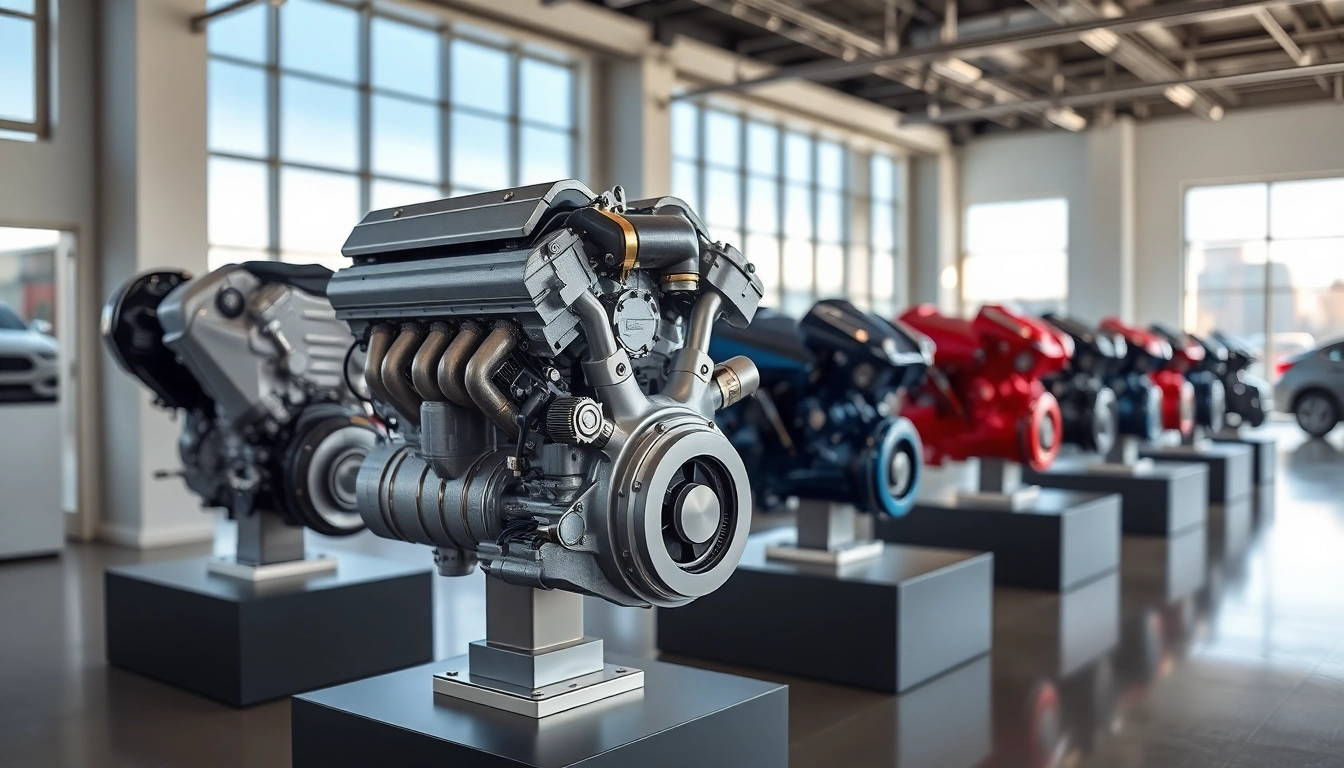
Understanding Used Engines
What are Used Engines?
Used engines refer to pre-owned engines that have been removed from vehicles and made available for resale. These components may originate from vehicles that have been scrapped, salvaged due to accidents, or simply retired due to age or wear. When you opt for used engines, you are essentially purchasing a functioning engine that has already been utilized in a vehicle but can still hold significant value and performance potential.
Key Benefits of Purchasing Used Engines
Buying used engines presents several advantages:
- Cost Efficiency: Used engines are typically much less expensive than new ones, allowing you to save money on repairs or modifications.
- Accessibility: With a wide range of models available, finding a used engine for older or less common vehicles can be easier than locating new parts.
- Environmental Impact: Opting for a used engine can reduce waste and promote recycling, helping protect the environment.
- Quick Replacement: In many cases, used engines can provide a faster solution compared to the often lengthy wait for ordering new engines.
Common Myths About Used Engines
Despite their benefits, several myths can deter potential buyers:
- All Used Engines Are Unreliable: This stereotype is often unfounded. With proper inspection and maintenance, many used engines can perform reliably.
- Only Scrap Parts Are Sold: Many used engines are still in great condition due to low mileage or careful usage.
- Warranty Options Are Non-Existent: Many reputable sellers provide warranty options, ensuring that buyers can have peace of mind.
- Every Used Engine Is the Same: The condition, mileage, and history of used engines vary greatly; diligent sourcing can lead to high-quality finds.
Finding Quality Used Engines
How to Source Reliable Used Engines
Finding a reliable source for used engines is crucial for ensuring quality. Here are some valuable tips:
- Research Reputable Sellers: Look for companies with positive reviews and a known history in the industry.
- Check Salvage Yards: Local salvage yards can be treasure troves of used engines, offering competitive prices.
- Online Marketplaces: Websites dedicated to auto parts often list used engines, allowing for easy comparisons.
- Ask for Recommendations: Networking in car enthusiast communities and forums can lead you to trusted sellers.
Inspecting Used Engines: What to Check
Before finalizing your purchase, it’s essential to inspect the engine thoroughly. Check the following:
- Mileage: Lower mileage generally indicates less wear and tear, blessing your investment.
- Visual Inspection: Look for rust, leaks, or any signs of damage on the engine’s exterior.
- Test Run: If possible, ask to see the engine running to verify its condition and functioning.
- Service History: Request documentation regarding previous repairs or maintenance work done on the engine.
Negotiating Prices for Used Engines
Negotiating can save you a significant amount when buying a used engine. Here are some tactics:
- Know the Market Value: Familiarize yourself with the going rate for the engine you are interested in.
- Point Out Flaws: If you identify any issues during inspection, use them as leverage to lower the price.
- Be Ready to Walk Away: Showing that you are willing to consider other options puts pressure on the seller to offer a better deal.
Maintenance Tips for Used Engines
Routine Maintenance Practices
Regular maintenance is key to prolonging the life of your used engine. Implement the following practices:
- Oil Changes: Regular oil changes can prevent engine damage and extend its life.
- Cooling System Checks: Ensure that the coolant levels are adequate and inspect for leaks.
- Fuel System Maintenance: Replace filters and clean injectors as necessary to maximize performance and efficiency.
- Inspect Belts and Hoses: Replace worn belts and hoses to prevent overheating or failures.
Common Issues to Watch For
Used engines may present specific challenges. Here are common issues to keep an eye on:
- Oil Leaks: Over time, seals can wear out, leading to leaks that may require immediate attention.
- Overheating: This can be a sign of a faulty cooling system or low coolant levels.
- Strange Noises: Knocking or ticking sounds may indicate internal damage or worn components.
Best Parts to Upgrade in Used Engines
Enhancing your used engine can improve performance significantly. Consider upgrading these components:
- Air Intake System: A high-performance air intake can boost airflow and increase power.
- Exhaust System: Upgrading the exhaust can enhance engine efficiency and performance.
- Ignition System: A better spark plug and ignition coil can improve fuel combustion and overall engine health.
Performance Enhancements for Used Engines
How to Improve Fuel Efficiency
Improving fuel efficiency can lead to significant savings over time. Here are strategies to consider:
- Regular Tune-Ups: Keeping your engine well-tuned ensures optimal performance and better fuel economy.
- Tire Maintenance: Properly inflated tires reduce drag and improve fuel efficiency.
- Driving Habits: Adopting smoother driving habits can prevent unnecessary fuel consumption.
Upgrading Components for Better Performance
Beyond routine maintenance, consider these upgrades for heightened performance:
- High-Performance Fuel Injectors: Upgrade to injectors that provide better fuel delivery and atomization.
- Performance Camshaft: Aftermarket camshafts can optimize the engine’s performance for specific driving conditions.
- Turbocharger: Adding a turbo can significantly enhance power without a substantial weight gain.
Tuning Your Used Engine: Tips and Tricks
Tuning your engine can yield remarkable improvements. Here are some expert tips:
- Use Mapping Software: Custom mapping can optimize the air-fuel ratio, maximizing performance.
- 3rd Party Tuning Tools: Utilize tuning devices that can modify the engine’s parameters for better performance.
- Consult Experts: Seek advice from specialists who can provide tailored recommendations based on your engine model.
Frequently Asked Questions About Used Engines
Your Used Engine Questions Answered
Here are the answers to some common questions:
Are used engines reliable?
Yes, used engines can be reliable if properly inspected and maintained. Always buy from reputable sources and check the engine’s history.
What warranty options are available?
Many sellers of used engines offer warranty options, which can vary from short-term guarantees to longer assurances depending on the engine condition.
How long can a used engine last?
With proper care, a used engine can last several years. Its longevity depends on maintenance practices and how it was treated previously.
Can I install a used engine myself?
While it’s possible for those with mechanical skills, it’s advisable to seek professional assistance for proper installation and to avoid costly mistakes.
What should I do before purchasing?
Conduct thorough research, inspect the engine’s condition, verify its history, and consider purchasing a warranty for added security.