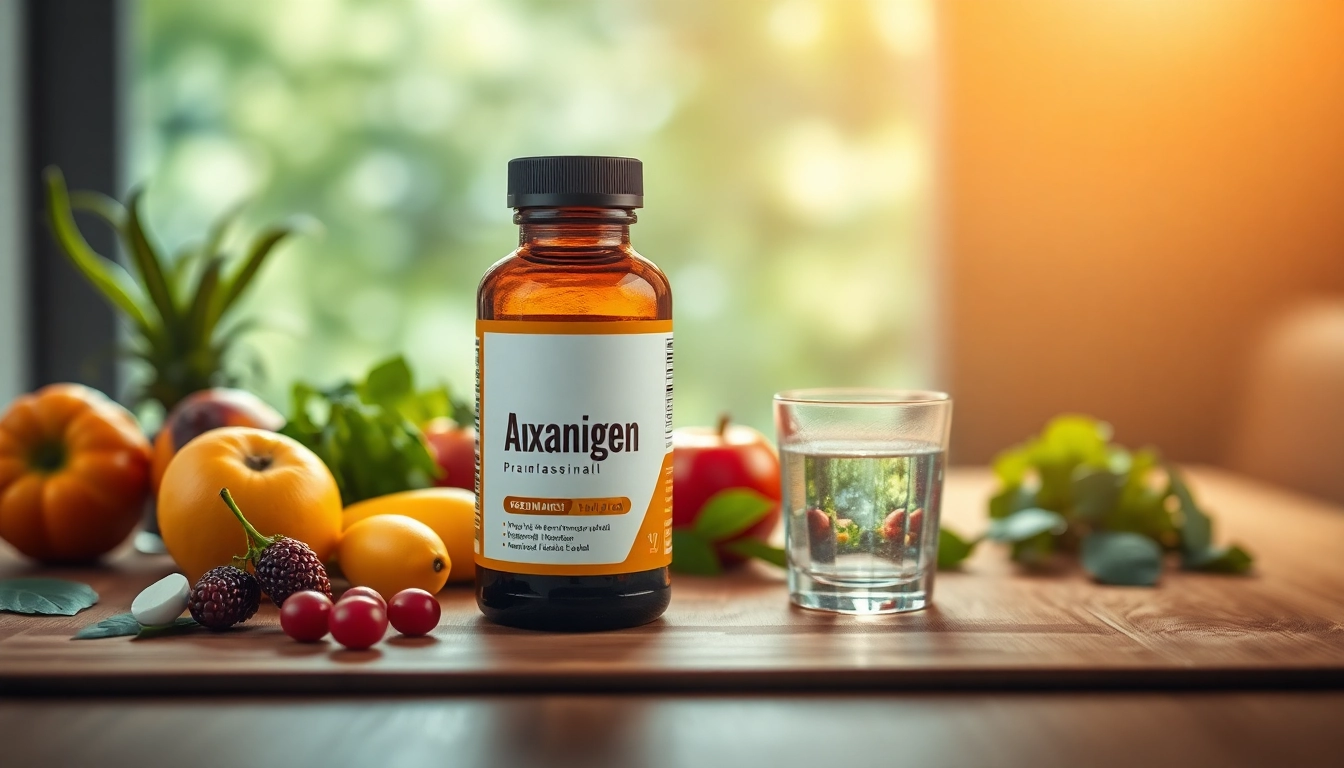
The Science Behind Astaxanthin
What is Astaxanthin?
Astaxanthin is a powerful antioxidant belonging to the carotenoid family, which gives certain marine life their vibrant colors. It's naturally found in microalgae and is responsible for the pink hue in salmon, shrimp, and flamingos. Beyond its coloring properties, astaxanthin is renowned for its myriad of health benefits, making it an attractive supplement for those seeking to enhance their well-being. Its potency is said to be thousands of times stronger than vitamin C, positioning it as a key player in the realm of dietary supplements, particularly for those looking for the best astaxanthin supplement.
Health Benefits of Astaxanthin
Research on astaxanthin has revealed a wealth of potential health benefits. Key areas where astaxanthin may provide support include:
- Antioxidant Support: Astaxanthin neutralizes free radicals, reducing oxidative stress in the body, which is linked to various chronic diseases.
- Skin Health: Studies indicate that astaxanthin can improve skin elasticity and hydration, mitigate UV-induced damage, and reduce the appearance of fine lines.
- Eye Health: By filtering harmful blue light and alleviating fatigue, astaxanthin supports visual acuity and overall eye health.
- Exercise Performance: Athletes may notice reduced muscle soreness and improved endurance due to better oxygen utilization and recovery capabilities attributed to astaxanthin.
- Cardiovascular Health: Astaxanthin can support heart health by improving lipid profiles and enhancing blood flow, thereby reducing the risk of heart disease.
How Astaxanthin Works in the Body
Astaxanthin's effectiveness is attributed to its unique structure that enables it to cross the blood-brain barrier and exert benefits at various cellular levels. Unlike other antioxidants, astaxanthin can mitigate oxidative stress both inside and outside of cells, providing comprehensive protection. Its fat-soluble nature allows it to embed in cell membranes, where it protects against oxidative damage and stabilizes membranes, promoting cellular health and longevity. This dual action helps reduce inflammation—a leading driver of chronic diseases.
Choosing the Best Astaxanthin Supplement
Key Ingredients to Look For
Not all astaxanthin supplements are created equal. When choosing the best one, consider the following ingredients:
- Phoenix Oleoresin: Sourced from microalgae, it provides a natural and potent source of astaxanthin.
- Complementary Antioxidants: Look for supplements that include other antioxidants like vitamin E or coenzyme Q10 that can enhance the overall effectiveness.
- Healthy Fats: Since astaxanthin is fat-soluble, look for products formulated with healthy oils (like olive or fish oil) to aid absorption.
Comparing Astaxanthin Sources
Astaxanthin can be derived from multiple sources, including natural algae and synthetic options. Here’s how they compare:
- Natural Algal Sources: The best astaxanthin supplements are often derived from Haematococcus pluvialis, a green microalga known for its high astaxanthin content.
- Synthetic Sources: While more affordable, synthetic versions lack the complex nutrient profile found in natural options and may have fewer health benefits.
- Bioavailability: Natural sources, particularly those from algae, typically offer better absorption and efficacy compared to synthetic forms.
Dosage Recommendations
The effective dose of astaxanthin can vary depending on individual health needs and the specific formulation. However, general recommendations suggest:
- For General Health: A daily dosage of about 4-12 mg can be beneficial for overall health.
- For Athletic Performance: Athletes might benefit from higher doses, ranging from 12-24 mg daily, particularly during intensive training periods.
- For Specific Conditions: Doses beyond 12 mg are often used in studies dealing with skin health, eye health, and cardiovascular support. Always consult a healthcare professional for personalized advice.
Potential Side Effects and Considerations
Common Side Effects
Astaxanthin is generally well-tolerated, but some individuals may experience mild side effects, such as:
- Stomach upset or gastrointestinal discomfort
- Change in skin color (temporary pinkish hue) with excessive intake
- Allergic reactions in rare cases
If any adverse reactions occur, discontinuing use and consulting a healthcare professional is advised.
Who Should Avoid Astaxanthin?
While astaxanthin is safe for most people, certain groups may need to exercise caution. These groups include:
- Individuals with known allergies to carotenoids or astaxanthin
- People on anticoagulant medications, as astaxanthin may affect blood clotting
- Individuals undergoing surgery should refrain from taking astaxanthin for at least two weeks prior to avoid bleeding risks.
Consulting with Healthcare Professionals
Before adding astaxanthin to your routine, particularly if you have existing health conditions or take medications, consulting with a healthcare professional is crucial. They can guide you on appropriate dosages, evaluate potential interactions, and ensure astaxanthin aligns with your health objectives.
Incorporating Astaxanthin into Your Routine
Optimal Timing for Consumption
To maximize benefits, consider the timing of your astaxanthin intake:
- With Meals: Taking astaxanthin with a meal that includes healthy fats enhances absorption due to its fat-soluble nature.
- Consistent Timing: Daily routine helps maintain optimal levels in the body for ongoing benefits.
Combining Astaxanthin with Other Supplements
Astaxanthin can be synergistic with other supplements, amplifying its benefits. Consider combining it with:
- Omega-3 Fatty Acids: Together, they provide enhanced anti-inflammatory effects, beneficial for heart and joint health.
- Multivitamins: To ensure comprehensive nutrient coverage, particularly if you have specific deficiencies.
- Curcumin: This powerful spice offers additional anti-inflammatory benefits and may complement astaxanthin's effects on oxidative stress.
Recipes Featuring Astaxanthin
Incorporating astaxanthin into your diet can be both enjoyable and beneficial. Here are a couple of creative ways to add it:
- Smoothie Bowl: Blend bananas, spinach, almond milk, and a scoop of astaxanthin powder, topped with chia seeds and berries for a nutritious breakfast.
- Salmon Salad: Toss grilled salmon with spinach, avocado, and a dressing made from olive oil mixed with a dash of astaxanthin powder for a colorful and healthful meal.
FAQs About the Best Astaxanthin Supplement
What is the best time to take Astaxanthin?
The best time to take astaxanthin is with meals, particularly those containing healthy fats, to enhance absorption.
Can I take Astaxanthin if I am on medication?
If you are on medication, it's important to consult a healthcare professional before taking astaxanthin, as it may interact with certain drugs.
Is Astaxanthin safe for pregnant women?
While astaxanthin is generally safe, pregnant women should consult their healthcare provider before taking any new supplements, including astaxanthin.
How long should I take Astaxanthin?
Astaxanthin can be taken daily for ongoing benefits, but it's recommended to take breaks or consult with a healthcare provider for long-term use.
Are there any interactions with Astaxanthin?
Astaxanthin may interfere with blood-thinning medications, so it’s important to discuss use with a healthcare professional if you are on such medications.