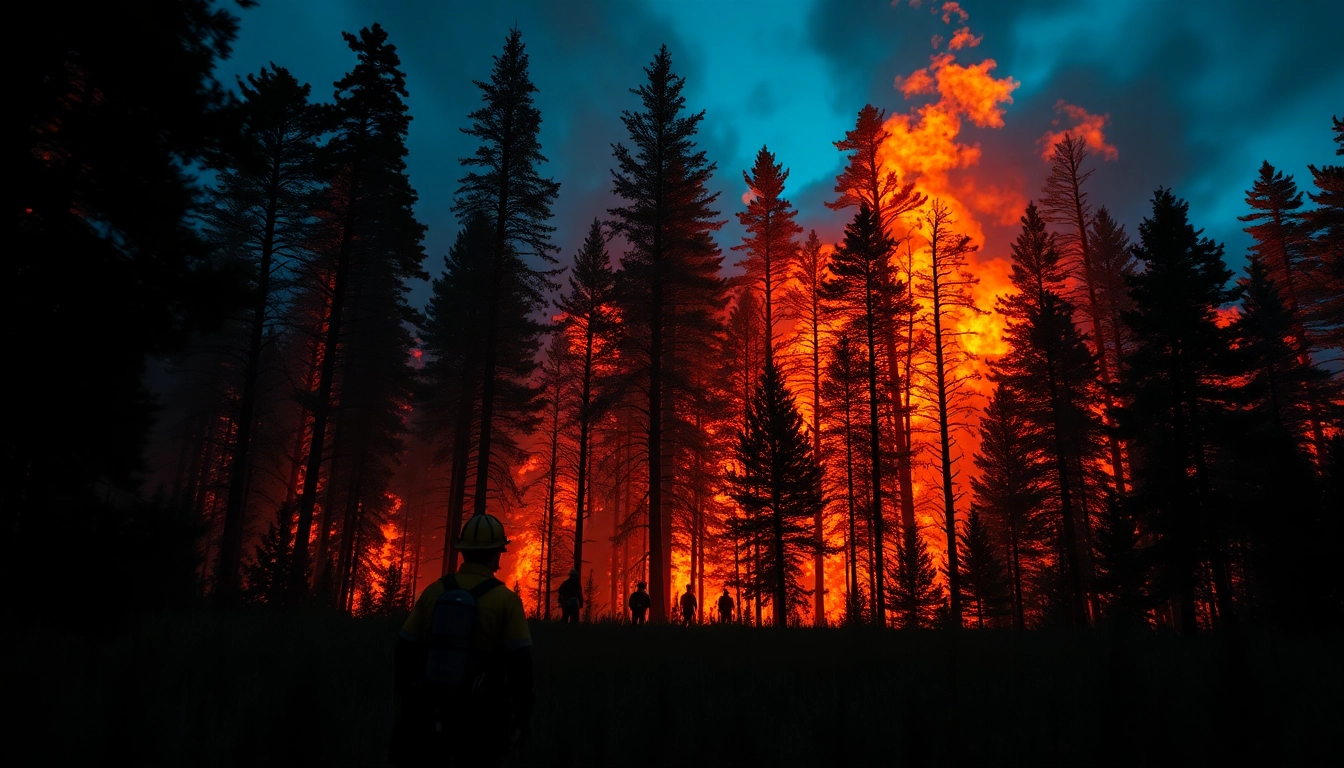
Introduction to Wildfire Events
Wildfires are a natural phenomenon that has been part of the Earth's ecosystem for centuries. However, the increasing frequency and intensity of these Wildfire events due to climate change and human activities have made them a significant concern. Understanding wildfire events can help in better management, prevention, and response strategies.
What are Wildfire Events?
Wildfire events can be defined as uncontrolled fires that burn in forests, grasslands, or other natural areas. They can spread rapidly, driven by environmental conditions such as wind, humidity, and temperature. These fires can have drastic ecological impacts, and while they are a natural part of many ecosystems, human intervention alters their dynamics.
The Importance of Understanding Wildfire Events
Understanding wildfire events is crucial for several reasons. First, they pose significant risks to human life and property. Additionally, the ecological effects can be profound, affecting air quality and biogeochemical cycles. By studying these events, we can improve fire management practices, enhance community preparedness, and promote ecological resilience.
Key Factors Leading to Wildfire Events
Several factors contribute to the occurrence and intensity of wildfire events, including:
- Weather Conditions: High temperatures, low humidity, and strong winds can exacerbate fire conditions.
- Vegetation: The type and density of vegetation influence the likelihood of fire spread.
- Human Activity: Actions such as land management, campfires, and arson can ignite wildfires.
Causes and Triggers of Wildfire Events
Natural Causes of Wildfire Events
Natural causes primarily include lightning strikes and volcanic eruptions. Lightning is often cited as a leading cause of wildfires, especially in remote areas where humans are not present. This natural ignition source can have devastating impacts on local ecosystems.
Human-Induced Wildfire Events
Human activities are significant contributors to wildfire events. Common causes include:
- Agricultural Burnings: Controlled burns that escape containment can lead to wildfires.
- Campfires: Improperly extinguished campfires can ignite surrounding foliage.
- Power Lines: Sparking from electrical infrastructure is a frequent trigger.
Climate Change and Its Effect on Wildfire Events
Climate change is altering weather patterns, resulting in warmer temperatures and increased drought conditions. These changes contribute to a higher frequency of lightning strikes and lower moisture in vegetation, creating favorable conditions for wildfires. The interconnectedness of climate and wildfires underscores the urgency of addressing climate change as part of wildfire management strategies.
Impacts of Wildfire Events on Ecosystems
Immediate Effects of Wildfire Events on Nature
The immediate aftermath of a wildfire event can be devastating. Flammable materials can be consumed rapidly, leading to:
- Loss of flora and fauna, disrupting local ecosystems.
- Soil erosion due to loss of vegetation cover.
- Release of pollutants into the atmosphere.
Long-Term Ecological Implications of Wildfire Events
Long-term effects can include changes in species composition and ecosystem services. Some species are adapted to fire and thrive post-wildfire through processes like seed germination. However, invasive species may take root, altering the ecological balance.
Socioeconomic Consequences of Wildfire Events
Wildfire events also have significant socioeconomic impacts, which can include:
- Displacement of communities and economic loss.
- Increased insurance costs and property values near fire-prone areas.
- Health issues related to smoke inhalation.
Management and Prevention of Wildfire Events
Strategies for Managing Wildfire Events
Effective wildfire management strategies include:
- Firebreak Creation: Establishing cleared areas to stop fire spread.
- Controlled Burns: Intentionally setting small fires to reduce fuel loads.
- Fire Suppression Techniques: Utilizing aerial and ground resources for firefighting.
Community Preparedness for Wildfire Events
Community preparedness is critical to minimizing the impact of wildfires. Programs can include:
- Education on wildfire risks and fire safety.
- Developing evacuation plans and emergency kits.
- Encouraging local governments to adopt stricter land-use planning.
Technological Innovations in Wildfire Event Monitoring
Technological advancements have improved wildfire monitoring efficacy. Tools such as satellite imagery, drones, and predictive modeling can help authorities track blazes in real-time and allocate resources effectively. Research into AI-driven analytics is paving the way for advanced predictive fire behavior modeling.
Case Studies of Significant Wildfire Events
Historical Wildfire Events: Lessons Learned
Analyzing historical wildfire events provides critical insights into effective management practices. For instance, the Peshtigo Fire, the deadliest wildfire in U.S. history, highlights the need for improved communications and preparedness strategies in fire management plans.
Recent Wildfire Events: Analysis and Response
Recent wildfires across various regions underscore the escalating threat posed by such events. Analyzing case studies like the Amazon rainforest fires or California wildfires helps identify gaps in response strategies, leading to enhanced future preparedness.
Future Projections for Wildfire Events
Future projections suggest that wildfire events will become more frequent and severe in many parts of the world. Proactive planning, better resource allocation, and innovative environmental policies will be critical to mitigating these challenges.
FAQs
What causes wildfire events?
Wildfire events can be caused by both natural factors, like lightning strikes, and human-related activities, including arson or negligent campfires.
How can we prevent wildfire events?
Preventative measures include creating firebreaks, controlled burns, and increasing community awareness about fire safety and preparedness.
What are the impacts of wildfire events on ecosystems?
Wildfire events can lead to immediate destruction of flora and fauna, soil erosion, and long-term changes in species composition within affected ecosystems.
How does climate change affect wildfire events?
Climate change increases temperatures and alters rainfall patterns, making conditions more favorable for wildfires by drying vegetation and increasing fire spread.
Why is community preparedness important for wildfire events?
Community preparedness is essential to ensure the safety of residents, minimize economic loss, and improve response times during wildfire events.