The Importance of Education in Today's Society
Education is not merely a cornerstone of society; it is its very foundation. In a rapidly evolving world, the need for equipped and knowledgeable individuals has never been more pronounced. A strong education system contributes to informed citizenry, economic stability, and social equality. This article seeks to explore the multifaceted role of education in our society, with a focus on three vital areas: personal development, economic growth, and social mobility. By delving into these aspects, we can better appreciate the necessity of quality education for all, a cause championed by platforms such as Education.
Understanding Education's Role in Personal Development
Education serves as a critical mechanism for personal development, equipping individuals with essential knowledge and skills that transcend mere academic achievement. Through structured learning experiences, individuals are exposed to a variety of subjects, offering them the opportunity to discover their passions and interests. Furthermore, education fosters vital soft skills, such as critical thinking, communication, and collaboration. These competencies are essential for personal and professional success in today's interconnected world.
Moreover, education is integral to character development. The values instilled during formative years—such as integrity, respect, and responsibility—often determine the principles by which individuals navigate adult life. Social education, often delivered through group projects, extracurricular activities, and community engagement initiatives, helps cultivate emotional intelligence and empathy, ensuring that students not only achieve academically but also grow as responsible, caring individuals.
Impacts of Education on Economic Growth
At its core, education is a powerful catalyst for economic growth. The workforce is more productive when individuals possess higher educational qualifications and relevant skills. The correlation between education levels and economic output is well documented; nations with a higher percentage of people holding advanced degrees often have stronger economies and lower unemployment rates. Education fuels innovation and entrepreneurship, as individuals with a deep understanding of their fields are more likely to create groundbreaking solutions and start successful ventures.
Investment in education is also a crucial factor for countries aiming to compete in the global economy. By fostering a highly educated population, nations can attract foreign investment, enhance productivity, and ultimately achieve sustainable economic progress. Moreover, various studies indicate that every additional year of schooling increases an individual’s earning potential significantly, thus contributing to a thriving middle class and reduced poverty rates.
Education's Influence on Social Mobility
Education serves as a vehicle for social mobility, enabling individuals from underprivileged backgrounds to rise above their circumstances. Quality education has the potential to break cycles of poverty, providing students with the knowledge and skills required to compete in a challenging job market. Access to education, particularly higher education, is often a determining factor in one’s socio-economic status and opportunities for advancement.
Higher education institutions increasingly recognize the importance of inclusive education models that cater to students from diverse backgrounds. Programs designed to support low-income students, first-generation college attendees, and those with disabilities are essential in leveling the playing field. These initiatives help create pathways for success, empowering individuals to achieve their educational and career aspirations without regard for their socio-economic background.
Key Components of Effective Education Systems
To harness the potential of education to foster personal, economic, and social development, we must examine the key components that underpin effective education systems. Successful educational frameworks are built on comprehensive curriculum design, integration of technology, and robust assessment practices.
Curriculum Design and Its Impact on Learning
A well-structured curriculum is vital for promoting student engagement and achievement. Educational curricula must be relevant, rigorous, and adaptable to meet the ever-changing demands of society and the job market. The balance between foundational skills—such as literacy and numeracy—and applied knowledge in areas like technology and the sciences is essential for preparing students to thrive in a complex world.
Moreover, an inclusive curriculum that reflects diverse perspectives and experiences enhances cultural awareness and mutual respect among students. Education should not merely be about passing exams but also about preparing students for active citizenship in a global society. Integrating project-based learning, interdisciplinary approaches, and experiential learning opportunities can greatly enrich the educational process and inspire deeper engagement with materials.
Role of Technology in Modern Education
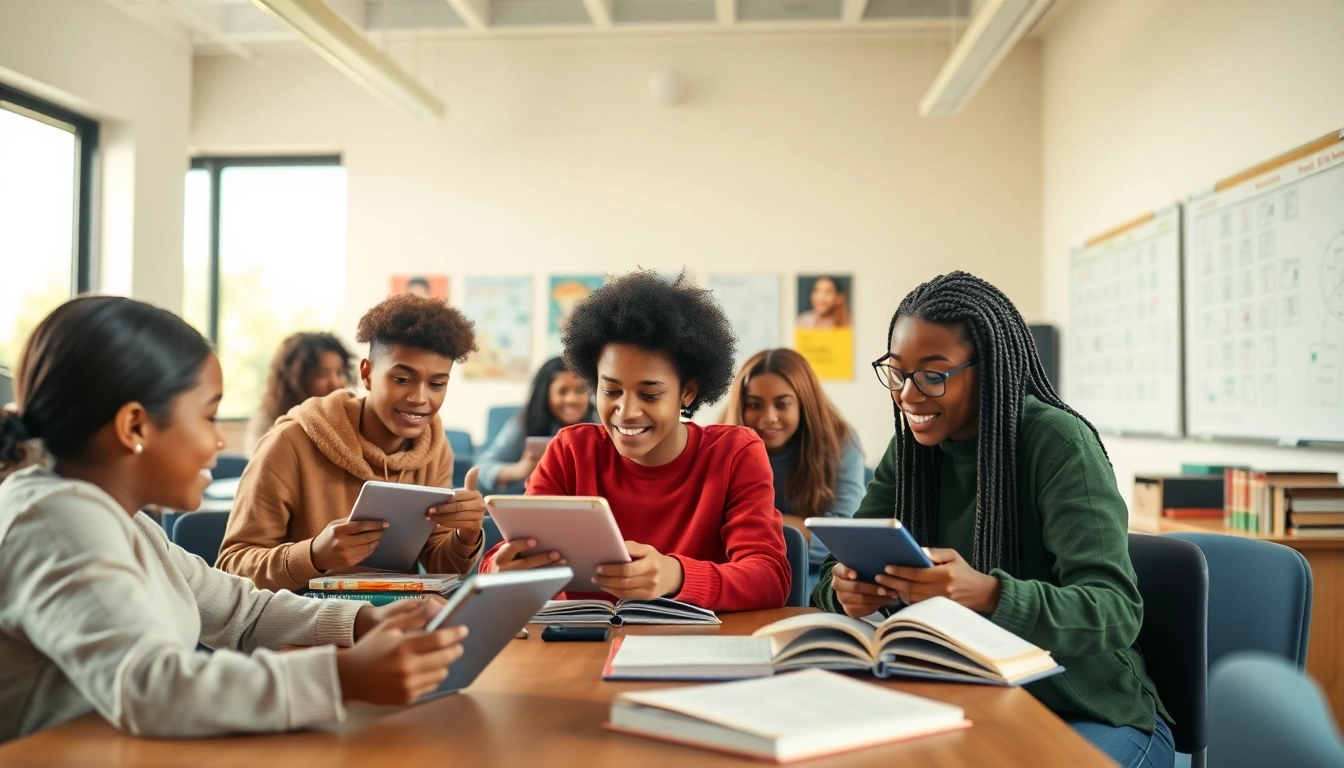
The integration of technology in education has revolutionized learning experiences. With the advent of digital tools and online platforms, educational resources are more accessible than ever before. Technology supports differentiated learning, allowing educators to tailor instruction to meet individual student needs and learning styles.
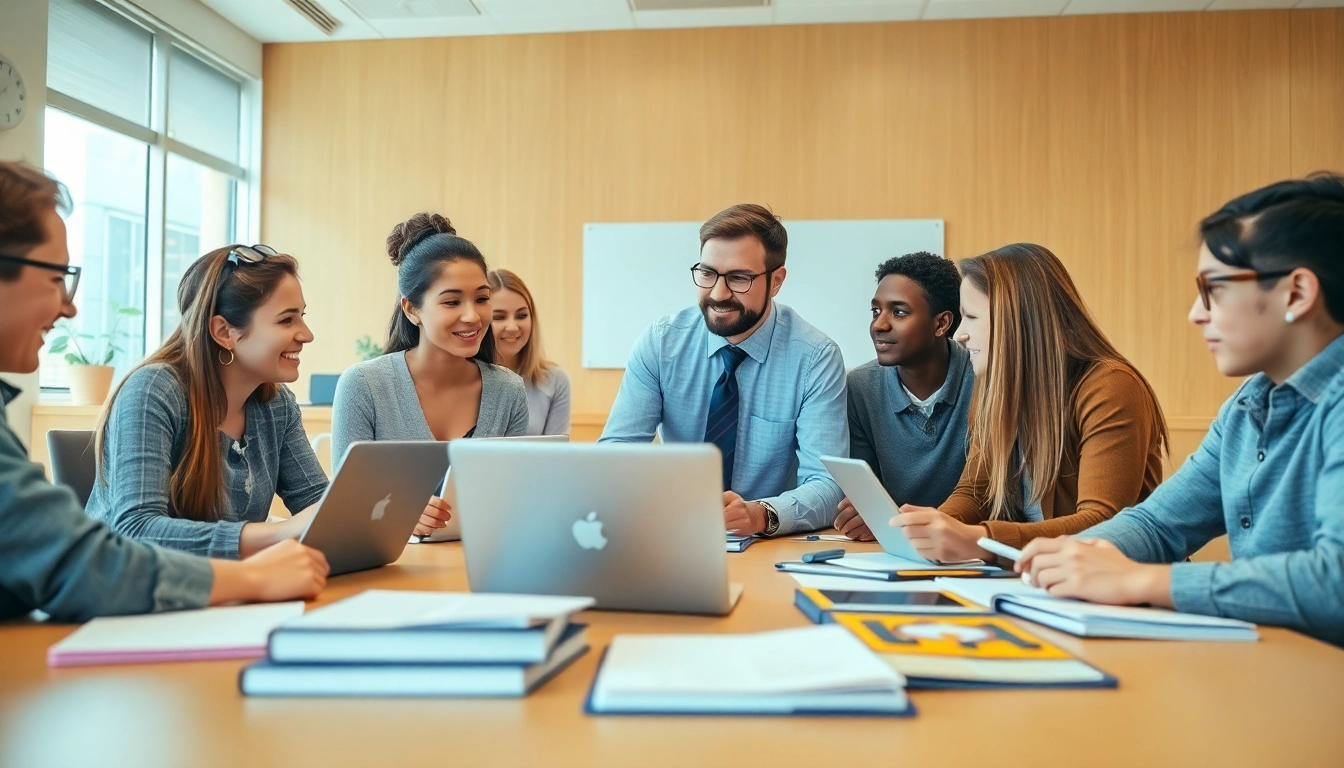
Additionally, technology fosters collaboration and communication, enabling students to connect and share ideas with peers and experts around the globe. Tools such as virtual classrooms, interactive simulations, and educational games transform traditional learning environments, making them more engaging and effective. As educators continue to innovate, it becomes crucial to equip both teachers and students with the skills necessary to utilize technology effectively and responsibly.
Assessment Practices That Enhance Learning
Effective assessment practices are critical for measuring student learning and informing instruction. Traditional testing methods, while useful, often fail to capture the full scope of a student’s capabilities. Formative assessments, performance tasks, and portfolios offer more comprehensive insights into student progress.
Implementing assessment practices that provide timely and constructive feedback is paramount for fostering a growth mindset among students. Educators can harness data from assessments to identify areas for improvement and adjust instructional strategies accordingly. Moreover, involving students in self-assessment fosters a sense of ownership of their learning journey, encouraging them to set goals and reflect on their progress.
Challenges Facing Education Today
As education continues to evolve, various challenges must be addressed to ensure that all students receive equitable opportunities to learn and succeed. These challenges include barriers to access, diversity and inclusion in education, and adapting to remote and hybrid learning models.
Overcoming Barriers to Access
Despite progress in expanding access to education, significant barriers still exist. Geographic location, socio-economic status, and systemic inequalities can hinder access to quality education for marginalized populations. Initiatives aimed at increasing funding for schools in underserved areas and providing scholarships or financial aid for higher education can mitigate these disparities.
Community partnerships are also crucial in addressing access barriers, as they can provide resources, tutoring, and mentorship opportunities for students who may lack support. For instance, after-school programs and summer learning experiences are vital in bridging gaps and ensuring that all students can excel academically, regardless of their background.
Addressing Diversity and Inclusion in Education
Creating an inclusive and diverse educational environment is paramount in fostering a sense of belonging for all students. Education systems must address issues such as racial, cultural, and gender disparities to ensure that every student feels represented and valued. Teacher training programs should include cultural competency training to prepare educators for working in diverse classrooms.
Practices that celebrate diversity—such as inclusive literature, culturally relevant pedagogy, and diverse role models—are essential in promoting equity. Schools should engage families and communities in the educational process, advocating for collaborative approaches that honor different cultures, languages, and experiences.
Adapting to Remote and Hybrid Learning Models
The shift to remote and hybrid learning models prompted by global events has highlighted the need for flexibility and adaptability in education. This transition has revealed both opportunities and challenges. While technology can enhance learning experiences, it can also create disparities for students who lack access to reliable devices or internet connections. Solutions such as providing laptops and internet hotspots can help bridge this gap.
Moreover, educators must develop best practices for remote instruction, focusing on engaging and interactive methods to sustain student interest. Prioritizing social-emotional learning within these models is also essential, as students need support during this period of uncertainty and change. Regular check-ins, open communication, and community-building activities can help cultivate connectedness and support student well-being.
Innovative Teaching Strategies for Enhanced Education
As education continues to evolve, so do the strategies employed by educators to foster student engagement and achievement. Innovative teaching methods offer exciting opportunities to enhance learning experiences and prepare students for a rapidly changing world.
Project-Based Learning for Real-World Applications
Project-based learning (PBL) emphasizes hands-on, real-world learning by engaging students in meaningful projects. This approach encourages critical thinking, collaboration, and problem-solving skills, as students tackle complex issues and seek solutions. PBL empowers students to take ownership of their learning, as they often have the freedom to choose topics and approaches that resonate with them.
Schools implementing PBL must design projects that align with curriculum standards while also being relevant to students' lives. By partnering with community organizations, educators can create authentic learning experiences that connect students with real-world challenges, fostering civic engagement and responsibility.
Flipped Classrooms as a New Approach
The flipped classroom model has gained popularity as an innovative instructional strategy. In this model, traditional notions of homework and classroom work are reversed. Students are introduced to new material through videos or readings at home and engage in meaningful discussions and collaborative activities in the classroom. This approach allows for more personalized instruction and increased student-teacher interactions during class time.
Flipping the classroom requires thoughtful planning to ensure that pre-class materials are effective and accessible. Educators can leverage technology to provide engaging multimedia resources and facilitate discussions, encouraging students to take an active role in their learning journey.
Culturally Responsive Pedagogy
Culturally responsive pedagogy recognizes the importance of students' cultural backgrounds in shaping their learning experiences. Educators employing this approach incorporate students' experiences, knowledge, and perspectives into the curriculum. This practice fosters a greater sense of belonging and relevance, ultimately improving student engagement and achievement.
Strategies for culturally responsive pedagogy include integrating diverse literature, using culturally relevant examples, and involving families in the learning process. By affirming students' identities and experiences, educators can create a supportive and inclusive classroom environment, which is essential for all learners to thrive.
Measuring the Success of Education Initiatives
Effectively evaluating education initiatives is crucial for understanding their impact and informing future improvements. This evaluation should encompass key performance indicators, long-term tracking of student achievements, and feedback loops for continuous improvement.
Key Performance Indicators in Education
Identifying relevant key performance indicators (KPIs) is essential for measuring the success of education initiatives. These KPIs can include standardized test scores, graduation rates, student engagement metrics, and college enrollment rates. By analyzing these indicators, educators and policymakers can gauge the effectiveness of programs and interventions.
It is vital to ensure that data collected is disaggregated by demographic factors, allowing for a more nuanced understanding of how various groups are performing. This granularity in data informs targeted strategies that address the needs of students who may require additional support.
Long-Term Tracking of Student Achievements
Longitudinal studies that track student achievements over time provide valuable insights into the effectiveness of educational strategies. By monitoring the progress of students who participated in specific programs, educators can assess the lasting impact of interventions on academic and socio-emotional outcomes.
This data can inform adjustments and improvements to curricula, teaching methods, and support systems, ensuring that evolving educational needs continue to be met. Establishing systems that facilitate ongoing tracking and evaluation of student outcomes is essential for sustaining educational success.
Feedback Loops for Continuous Improvement
Establishing feedback loops among educators, students, and stakeholders is crucial for continuous improvement in education systems. Regularly soliciting input from students about their learning experiences helps educators understand what is working and what needs adjustment. Furthermore, professional development opportunities that allow teachers to share best practices and challenges fosters a culture of collaboration and innovation.
Ultimately, feedback loops create a cycle of reflection and adaptation, ensuring that educational practices remain relevant and responsive to the needs of all learners. In a world characterized by rapid change, maintaining this agile approach to education will be key to equipping students for future challenges.
Conclusion
Education is a vital component of individual and societal progress. Its impact on personal development, economic growth, and social mobility cannot be overstated. By recognizing the importance of effective curricula, technological integration, and innovative teaching strategies, we can address the challenges confronting education today. As we continue to support diverse, inclusive, and equitable education systems, we build a brighter and more prosperous future for generations to come.