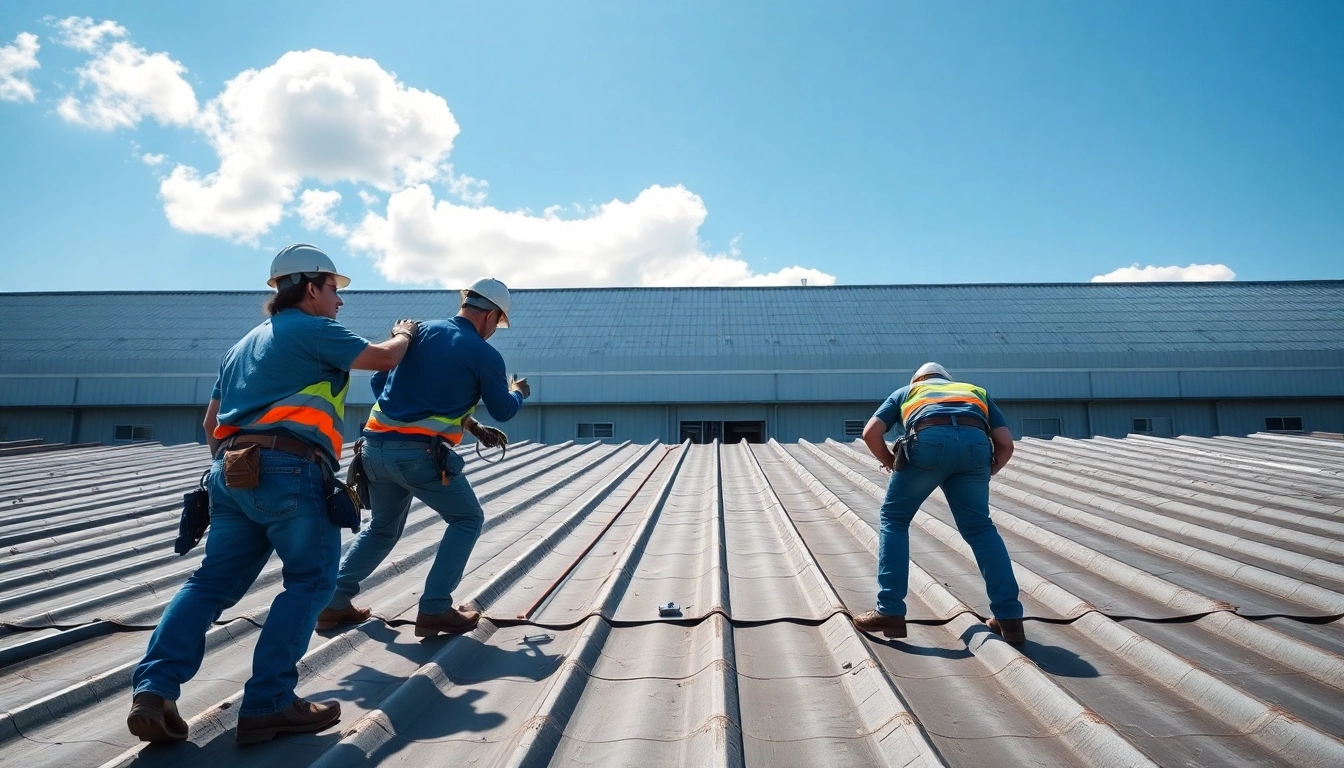
Understanding Commercial Roofing Services
What are commercial roofing services?
Commercial roofing services encompass a wide range of solutions aimed at the installation, repair, and maintenance of roofs on commercial properties. Unlike residential roofing, which typically involves smaller projects, commercial roofing is characterized by its scale and complexity. These services address the unique needs of businesses, including office buildings, warehouses, shopping centers, and industrial facilities. The primary goal is to provide a durable, weather-resistant, and functional roof that protects the building’s interior and contributes to overall energy efficiency. For organizations looking to protect their investments and maintain operational continuity, outsourcing commercial roofing services to qualified professionals is imperative.
Types of commercial roofing materials
Choosing the right roofing material is crucial for the performance and longevity of a commercial roof. Various materials are available, each with its own set of advantages and drawbacks. Here are some commonly used materials:
- EPDM (Ethylene Propylene Diene Monomer): A popular choice for flat roofs, EPDM is known for its durability and long lifespan. It is also cost-effective and easy to install but may require additional insulation to improve energy efficiency.
- TPO (Thermoplastic Olefin): Increasingly popular due to its energy efficiency, TPO is a single-ply roofing membrane that reflects sunlight and contributes to cooling costs. It is lightweight and resistant to UV rays.
- Metal roofing: Available in panels or tiles, metal roofs are extremely durable and can last for decades. They are resistant to extreme weather conditions, fire, and pests, making them ideal for various commercial environments.
- Built-up roofing (BUR): Consisting of layers of bitumen and reinforcing fabrics, BUR provides excellent waterproofing. It is mostly used on flat roofs due to its robust construction.
- Modified Bitumen: This roofing system adapts to the specific needs of higher-traffic commercial buildings. It can be applied in various ways, including torching and self-adhesive methods, which enhance installation flexibility.
Importance of quality installations
The quality of installation directly impacts the lifespan and performance of a commercial roof. A poorly installed roof can lead to issues such as leaks, moisture accumulation, and premature wear that require costly repairs or replacements. Quality installations take into account factors like proper slope for drainage, consistent material application, and adherence to building codes and safety regulations. Moreover, hiring experienced and licensed contractors ensures that the installation process follows best practices, ultimately safeguarding your investment and maintaining the integrity of your building.
Choosing the Right Commercial Roofing Contractor
Qualifications to look for
When selecting a commercial roofing contractor, several qualifications indicate a reliable and professional service provider. Here are the key factors to consider:
- Licensing and insurance: Ensure the contractor holds the necessary licenses to operate within your jurisdiction. Adequate insurance, including workers' compensation and liability coverage, protects you from potential financial repercussions in case of accidents or damages.
- Experience: Look for a contractor with extensive experience in commercial roofing. Companies with a proven track record can effectively navigate challenges and provide high-quality workmanship.
- Certifications: Many roofing manufacturers offer certifications to contractors who meet specific knowledge and installation standards. Certified professionals are often better equipped to provide warranties and guarantee the performance of their work.
Evaluating customer reviews and testimonials
Customer feedback is invaluable in assessing the credibility of a roofing contractor. Look for reviews on reputable platforms and seek testimonials that highlight positive experiences. Focus on aspects such as communication, project completion timelines, adherence to budgets, and after-service support. Recommendations from other business owners within your network can also provide insights into reputable roofing companies.
Obtaining quotes and service details
Before making a final decision, obtain detailed quotes from prospective contractors. Ensure that the quotes outline the scope of work, materials to be used, estimated timelines, and total costs. A transparent quote allows for easy comparison among different contractors and ensures no hidden fees arise during the project. Don't hesitate to ask questions about components you don't understand, as reputable contractors will be more than willing to clarify.
Common Challenges in Commercial Roofing
Identifying roof damage early
Proactive identification of roof damage can save businesses significant costs associated with repairs and replacements. Regular inspections and maintenance routines are essential to detect signs of wear and tear before they escalate. Some common indicators of roof damage include:
- Pooling water on flat roofs
- Cracks or blisters in the roofing material
- Leaks or water stains on interior ceilings
- Damaged flashing around seams and penetrations
- Granules in gutters from asphalt roofs
Weather-related issues and solutions
Weather patterns can pose particular challenges for commercial roofing. Extreme temperatures, high winds, and heavy rainfall can all affect the integrity of a roof. Solutions may include:
- Insulation and ventilation: Proper insulation reduces heat loss in winter and alleviates heat build-up in summer. Adequate ventilation minimizes moisture accumulation, which helps prevent mold growth and damage.
- Regular maintenance: Seasonal inspections and maintenance activities—such as clearing debris, sealing gaps, and checking for leaks—are vital in prolonging the life of a roof.
- Weather-resistant materials: Investing in high-quality, weather-resistant materials can minimize long-term damage. During installation, choose materials designed to withstand local climatic conditions.
Understanding building codes and regulations
Compliance with local building codes and regulations is essential in commercial roofing. These codes ensure safety, energy efficiency, and structural integrity. A knowledgeable contractor will be familiar with the relevant regulations in your area, including:
- Material quality and performance standards
- Waterproofing requirements
- Energy conservation mandates
- Load-bearing specifications
Failing to adhere to these regulations can lead to fines, legal issues, and safety hazards, so ensure your chosen contractor is well-versed in these requirements before commencing work.
Maintaining Your Commercial Roof
Regular inspections for long-lasting durability
A consistent inspection schedule is key to maintaining the health of a commercial roof. Ideally, inspections should be conducted at least twice a year and after severe weather events. During these inspections, professionals will look for damage, wear, or deterioration, addressing any identified issues promptly to prevent further complications. Additionally, routine checks can validate warranty upkeep and ensure compliance with local codes.
Preventative maintenance best practices
Preventive maintenance is a proactive approach aimed at extending the life of the roof and reducing costly repairs. Best practices include:
- Clearing debris regularly to prevent blockages in drainage systems.
- Applying protective coatings to enhance weather resistance.
- Checking and replacing damaged flashing to maintain waterproof barriers.
- Gaining access to the roof only when necessary and ensuring safe practices during inspections.
Emergency repair considerations
In the event of sudden damage (e.g., from storms or falling debris), immediate assessment and repair are crucial. Quick actions can mitigate damage and save on potential repair costs. Ensure that your service contract includes provisions for emergency repairs. An established relationship with a trusted contractor allows for rapid responses to unforeseen events, ensuring your business can resume normal operations promptly.
Innovations in Commercial Roofing Services
Advancements in roofing materials
The roofing industry is continually evolving, with innovations resulting in materials that offer enhanced performance and durability. For instance, newer membrane systems provide improved energy efficiency, while lightweight materials reduce roof stress. Advancements in technology also allow for smart roofs equipped with sensors to monitor conditions and gather data for analysis.
Energy-efficient roofing systems
Energy efficiency is a growing concern for commercial property owners, and the latest roofing systems can play a significant role in reducing energy consumption. Reflective roofing materials can minimize energy costs by reflecting sunlight instead of absorbing heat. Similarly, green roofs incorporate vegetation that provides insulation, mitigates stormwater runoff, and improves air quality—significantly enhancing urban aesthetics.
The future of commercial roofing technology
The future of commercial roofing lies in the integration of sustainability and technology. Innovations, such as solar roofs, are revolutionizing how roofs can contribute to energy generation. Smart roofing technologies enable real-time monitoring and predictive analytics, which enhance maintenance efficiency and support decision-making. As businesses strive for more sustainable solutions, these technological advancements will be pivotal in fostering environmental responsibility while ensuring the integrity of their properties.