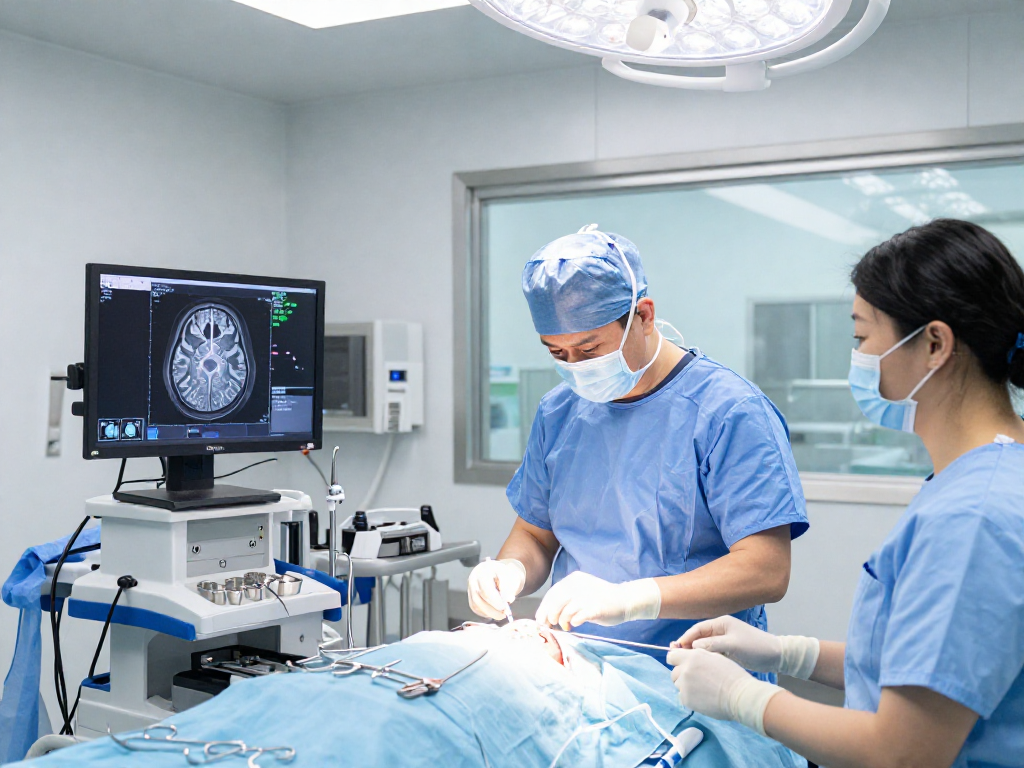
Understanding Beyin Tümörü Ameliyatı
Brain tumor surgery, known as beyin tümörü ameliyatı in Turkish, is a critical and complex procedure aimed at addressing both benign and malignant tumors within the cranial cavity. This article delves into the nuances of brain tumor surgery, exploring types, technologies, risks, and the recovery process that patients can expect. As advancements in medicine continue to evolve, understanding the latest methods and approaches is vital for patients and families navigating this challenging journey. When exploring options, beyin tümörü ameliyatı provides comprehensive insights into the issues surrounding brain tumor treatment.
What is a Brain Tumor Surgery?
Brain tumor surgery is a surgical procedure that aims to remove a tumor from the brain. It is performed by a neurosurgeon and can involve several techniques depending on the tumor's location and type. The primary objective is to excise the tumor while preserving neurological functions and minimizing damage to surrounding tissues. This is critical, as the brain controls many vital functions, including movement, emotion, and speech.
Types of Brain Tumors and Their Implications
Brain tumors can be categorized as primary or secondary (metastatic). Primary tumors originate in the brain itself, while secondary tumors spread from other parts of the body. Common types include:
- Meningiomas: Typically benign and arise from the meninges, the protective layers surrounding the brain.
- Gliomas: Include astrocytomas and oligodendrogliomas, which can be benign or malignant.
- Metastatic tumors: These tumors represent cancer spread from other areas of the body, such as the lungs or breast.
Understanding the type of brain tumor is crucial, as it influences treatment options, prognosis, and the surgical approach.
Key Technologies in Brain Tumor Surgery
Recent advancements in surgical techniques and technologies have significantly improved patient outcomes. Key innovations include:
- Molecular Imaging: Enhances visualization of tumor boundaries, aiding precise removal.
- Navigational Systems: Allow surgeons to map the brain before and during surgery, minimizing risks.
- Awake Surgery: Patients are kept conscious during specific procedures, allowing surgeons to avoid critical brain areas.
These technologies contribute to more successful surgeries, reducing recovery times and improving overall outcomes.
Preparing for Beyin Tümörü Ameliyatı
Preparation for brain tumor surgery involves thorough assessments and planning to ensure optimal outcomes. The process includes diagnostic imaging, patient education, and logistical arrangements for surgery.
Pre-Surgical Assessments and Imaging Techniques
Prior to surgery, various imaging techniques such as MRI and CT scans are performed to gather detailed information about the tumor's size, location, and its relationship with surrounding brain structures. This information is crucial for developing a tailored surgical plan. Discussions regarding the surgical procedure, risks, and recovery expectations are also held with the medical team to ensure patients are well-informed and prepared for the process ahead.
Patient Considerations and Emotional Support
The emotional aspect of preparing for brain surgery should not be overlooked. Patients may experience anxiety and uncertainty. It is beneficial for patients to engage in discussions with their healthcare team and seek support from family members or professional counselors. Preparing for potential outcomes and addressing concerns ahead of time can help ease anxiety. Support groups can also provide valuable resources and camaraderie with others undergoing similar experiences.
Logistics of Scheduling and Hospital Admissions
Scheduling the surgery involves coordination between the patient, the anesthesia team, and the surgical team. Patients are usually advised to arrive at the hospital a few hours before the scheduled surgery for pre-operative preparations. These may include starting IV lines, receiving medications to ease anxiety, and undergoing final assessments to ensure readiness for the procedure. Proper logistical arrangements help in creating a seamless process, ensuring that all necessary resources and personnel are available on the day of surgery.
Techniques and Approaches in Beyin Tümörü Ameliyatı
There are various surgical techniques utilized in brain tumor surgery, each with its advantages and disadvantages, depending on the tumor's characteristics.
Open Surgery vs. Awake Surgery: Pros and Cons
Open surgery is the traditional approach and involves making a significant incision to access the brain. This allows for direct visualization and manipulation of tissues. Conversely, awake surgery involves the patient being conscious during critical parts of the procedure. This method allows for quick feedback from the patient, ensuring that essential brain functions are preserved. Each technique has its specific use case, and the surgical team determines the best approach based on individual patient needs and tumor specifics.
Innovations in Minimally Invasive Techniques
Minimally invasive techniques, including endoscopic surgery, have gained popularity due to their benefits in reducing recovery time and postoperative discomfort. These techniques often involve smaller incisions and specialized instruments to remove tumors while significantly minimizing damage to healthy brain tissue.
Role of Gamma Knife in Tumor Treatment
The Gamma Knife is a non-invasive treatment option for specific types of brain tumors. It uses focused radiation beams to target tumors precisely without the need for conventional surgery. This method is particularly advantageous for patients with tumors located in hard-to-reach areas or for those who may not tolerate surgery well.
Risks and Recovery After Beyin Tümörü Ameliyatı
As with any surgical procedure, brain tumor surgery carries inherent risks. It’s essential for patients to understand these risks and the recovery process that follows.
Understanding Surgical Risks and Complications
Potential risks associated with brain tumor surgery include infection, bleeding, and neurological complications such as seizures or cognitive changes. Pre-operative assessments aim to identify patients who may be at heightened risk. The surgical team works diligently to minimize these risks through meticulous planning and advanced techniques.
Post-Operative Care and Rehabilitation Strategies
Post-operative care involves monitoring the patient for complications and managing symptoms during the recovery phase. Rehabilitation may include physical therapy, occupational therapy, and speech therapy, depending on the individual's needs. The goal is to restore functional independence and enhance the quality of life.
Monitoring for Tumor Recurrence and Follow-up
Regular follow-up visits and imaging studies are crucial in monitoring for any signs of tumor recurrence. Depending on the tumor type and initial treatment, follow-up schedules may vary. Patients are educated on potential warning signs of recurrence to ensure timely intervention if necessary.
The Future of Beyin Tümörü Ameliyatı
Looking toward the future, advancements in neurosurgery continue to evolve, offering hope for even better patient outcomes.
Emerging Technologies and Their Impact in 2026
Emerging technologies, such as artificial intelligence in surgical planning and robotic-assisted surgical techniques, are expected to play a significant role in improving surgical precision and reducing recovery times. These innovations will enhance the surgeon's ability to navigate complex anatomical structures, leading to safer procedures.
Patient-Centric Trends in Neurosurgery
The future of neurosurgery will emphasize patient-centered care, focusing on tailored treatment plans that consider individual patient circumstances and preferences. The integration of telehealth and virtual consultations will also facilitate ongoing patient education and support.
Potential Advances in Treatment Protocols
As research progresses, treatment protocols will likely evolve to integrate new findings about tumor biology and personalized medicine approaches. This might include novel drug therapies and immunotherapy tailored to individual tumor markers, providing new hope for patients facing challenging brain tumor diagnoses.
What should patients expect during their recovery?
During recovery, patients can expect to experience a range of symptoms, including pain, fatigue, and cognitive changes. Following the surgical team's guidelines on managing these symptoms is essential to facilitate a smoother recovery process.
How can patients manage post-surgery symptoms?
Effective symptom management may include a combination of medication, physical therapy, and rest. It is important for patients to communicate any concerning symptoms to their healthcare team promptly.
What are the long-term follow-up procedures?
Long-term follow-up typically involves regular imaging tests and assessments to monitor for any recurrence of the tumor. Patients should remain vigilant in attending follow-up appointments and engaging in discussions about their health and any changes they experience.
How does the surgical approach affect recovery time?
The surgical approach can significantly influence recovery time. Minimally invasive techniques generally allow for shorter hospital stays and quicker return to normal activities compared to traditional open surgery methods.
Are there new technologies improving surgical outcomes?
Yes, advancements in surgical technologies, including navigational and imaging systems, improve the precision and effectiveness of brain tumor surgeries, thereby enhancing overall surgical outcomes and patient safety.. Additionally, beyin tümörü ameliyatı provides further details.