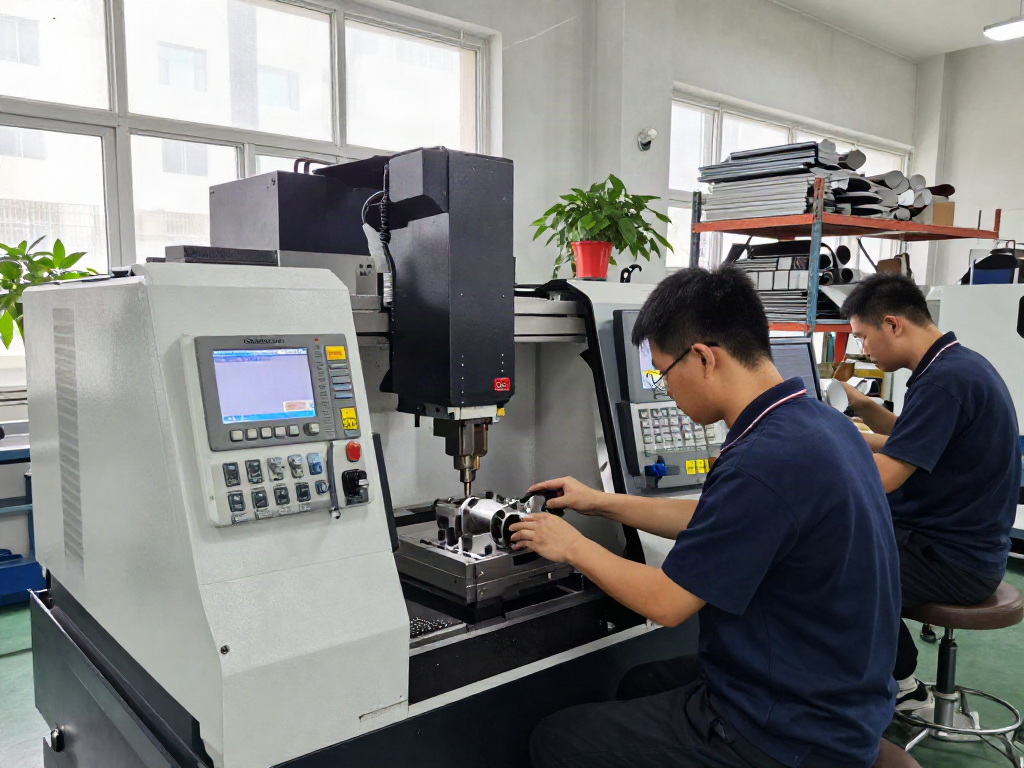
Understanding Precision CNC Machining
In the modern manufacturing landscape, the term precision CNC machining is synonymous with efficiency, accuracy, and quality. As industries continue to evolve, the demand for custom components produced with exceptional precision skyrockets. This article explores the intricate world of precision CNC machining, delving into its significance, applications, and the pivotal role of a precision CNC machining supplier. When exploring options, precision cnc machining supplier provides comprehensive insights into the availability and capabilities of machining services.
What is Precision CNC Machining?
Precision CNC machining refers to the use of computer-controlled machines to produce intricate and accurate parts from a variety of materials. It encompasses several processes, including milling, turning, and electrical discharge machining (EDM). By leveraging advanced software and machinery, manufacturers can achieve tolerances in the micron range, making it ideal for industries where precision is paramount, such as aerospace, automotive, and medical equipment production.
The Importance of the Precision CNC Machining Supplier
The role of a precision CNC machining supplier cannot be overstated. These suppliers not only provide the technology and machinery necessary for producing high-quality components, but they also contribute critical expertise in material selection, design optimization, and compliance with industry standards. Partnering with a reputable supplier can significantly reduce lead times and improve production efficiency, ultimately enhancing the competitive edge of a business.
Applications Across Industries
Precision CNC machining finds applications in numerous industries, including:
- Aerospace: Components require extreme precision to ensure safety and performance.
- Automotive: Custom parts are often needed for both production and aftermarket solutions.
- Medical: Devices and instruments demand high levels of accuracy for effective performance.
- Electronics: Manufacturing of intricate circuit boards and housing parts.
- Robotics: Precision components are essential for functionality and reliability.
Key Challenges Facing Precision CNC Machining Suppliers
The precision CNC machining industry is not without its challenges. Suppliers face various issues that can affect their operations and, consequently, their clients. Understanding these challenges is crucial for businesses seeking to partner with CNC machining suppliers.
Common Misconceptions in the Industry
One prevalent misconception is that all CNC machining services are the same, which can lead to poor sourcing decisions. Not all suppliers offer the same level of quality, capabilities, or expertise. This misunderstanding can result in higher costs and delays if the chosen supplier cannot meet specific project requirements.
Supply Chain Disruptions and Their Impact
Global events, such as pandemics or geopolitical conflicts, can severely disrupt supply chains that are critical to CNC machining operations. Material shortages, increased shipping costs, and delays in delivery timelines can hinder production schedules. Suppliers must adapt and find alternative resource solutions to remain competitive.
Technological Barriers and Solutions
As technology rapidly evolves, staying current with the latest machining advancements is vital. Some suppliers may struggle to invest in new machinery or training, which can limit their capabilities. To overcome this, investing in continuous education and adopting the latest technological trends is essential for maintaining relevance in the market.
Best Practices for Selecting a Precision CNC Machining Supplier
The selection of a precision CNC machining supplier should be approached strategically. Here are several best practices to ensure that your choice aligns with your business objectives:
Evaluating Quality and Capabilities
When assessing potential suppliers, it is essential to evaluate their quality assurance processes and capabilities. This might involve reviewing their certifications, looking into past project portfolios, and requesting customer testimonials or case studies to gauge their performance and reliability.
Understanding Certifications and Standards
Quality certifications such as ISO 9001:2015 are indicators of a supplier's commitment to quality management systems. Understanding the standards that a supplier adheres to can provide insights into their operational excellence and reliability. This knowledge ensures that the components produced not only meet specifications but also enhance safety and compliance.
Importance of Communication and Support
Effective communication is key to a successful supplier relationship. A supplier that offers robust support and transparent communication can significantly enhance project outcomes. Establishing clear lines of dialogue, regular updates, and feedback mechanisms can preempt issues that may arise during production.
Emerging Trends in CNC Machining for 2026
The CNC machining industry is rapidly changing. Staying abreast of emerging trends can give companies an edge in the competitive landscape.
Adoption of Smart Technology and Automation
The integration of Internet of Things (IoT) and smart automation technologies is transforming the precision CNC machining landscape. These innovations enable real-time monitoring and predictive maintenance, which enhance efficiency and reduce downtime, ultimately leading to cost savings.
Sustainability Practices in Machining
With growing emphasis on sustainability, the precision machining sector is adopting environmentally friendly practices. This includes using recyclable materials, reducing waste, and implementing energy-efficient operations to minimize environmental footprint.
Future Materials and Methods in Precision Machining
As industries evolve, the materials used in CNC machining are also changing. Advances in composite materials and metals with advanced properties are paving the way for innovative machining techniques. Suppliers must explore these materials to ensure they meet the demands of future applications.
Case Studies: Success Stories from Top Precision CNC Machining Suppliers
Examining success stories from leading CNC machining suppliers can provide valuable insights into effective strategies and innovations:
Innovative Solutions in Automotive Industry
Many automotive companies are utilizing precision CNC machining to produce lightweight components that enhance fuel efficiency and performance. Suppliers that innovate in material selection and machining processes are gaining significant market share.
Technological Advances in Aerospace Manufacturing
Precision CNC machining suppliers in the aerospace sector are embracing advanced techniques, such as additive manufacturing, to produce complex geometries that were previously impossible. These advancements are crucial for reducing weight while increasing the strength of components.
Competitive Edge through Custom CNC Machining
Companies that offer bespoke CNC machining services are providing unique solutions tailored to customer specifications. This level of customization not only fulfills specific requirements but also builds long-term relationships with clients who value service and quality.
What are the benefits of using a precision CNC machining supplier?
Utilizing a precision CNC machining supplier allows businesses to leverage specialized expertise, advanced machinery, and streamlined processes, resulting in high-quality parts produced efficiently, with fewer errors and shorter lead times.
How do I choose the right precision CNC machining supplier?
Choosing the right supplier involves assessing their capabilities, certifications, and past performance. It is equally important to ensure they maintain clear communication and align with your specific production requirements.
What industries benefit most from precision CNC machining?
Industries such as aerospace, automotive, medical, and electronics are among the primary beneficiaries of precision CNC machining, as they require high accuracy and quality in their components.
What trends should I watch for in CNC machining technology?
Key trends include the adoption of smart technology and automation, sustainability initiatives, and the exploration of new materials. These trends will drive innovation and efficiency in precision CNC machining.
What challenges do precision CNC machining suppliers face today?
Challenges include supply chain disruptions, technological advancements, and misconceptions regarding service quality. Addressing these challenges requires strategic planning and investment in technology and training.