Understanding Forced Reset Triggers
What is a Forced Reset Trigger?
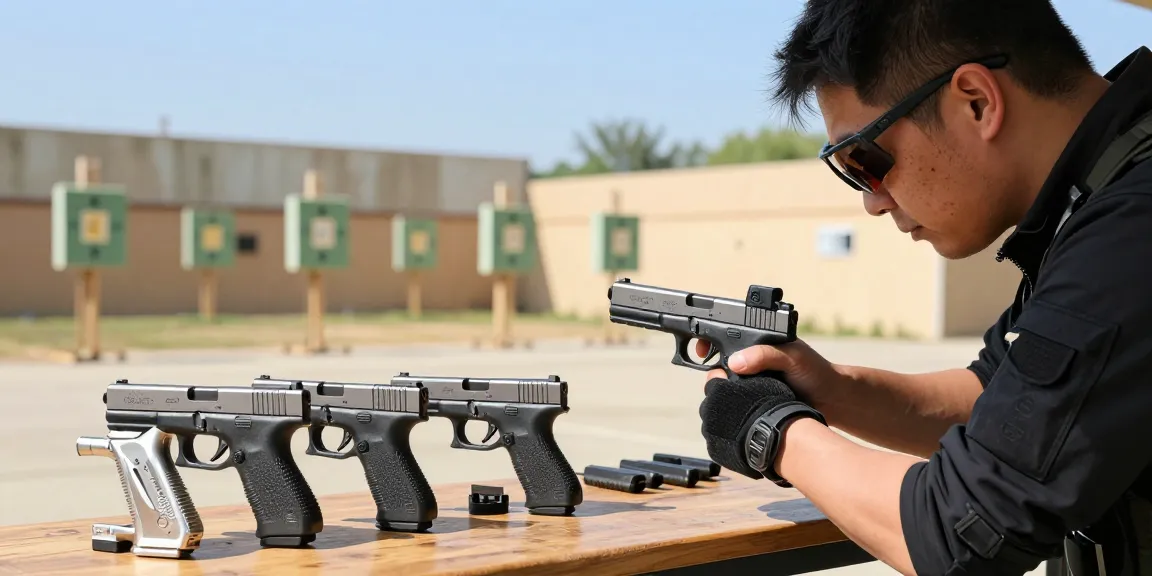
A forced reset trigger (FRT) is an innovative firearm component designed to facilitate rapid shooting without the need for manual resetting between shots. Unlike traditional single-stage or two-stage triggers, a forced reset trigger harnesses a unique mechanism that resets itself automatically, allowing the shooter to maintain a continuous rate of fire with minimal effort. This technology caters to a niche but passionate segment of the shooting community, enhancing both speed and efficiency during target practice or competitive shooting.
Benefits of Using a Forced Reset Trigger
The adoption of a forced reset trigger can significantly improve shooting performance. Key benefits include:
- Increased Speed: Shooters can achieve a higher rate of fire without the physical strain of manually resetting the trigger with each pull.
- Consistency: The mechanism promotes a uniform trigger pull consistently, which can enhance shot placement.
- Reduced Fatigue: Less effort is required in high-volume shooting scenarios, reducing shooter fatigue over extended periods.
- Improved Focus: With less concern about the mechanical operation of the firearm, shooters can concentrate on their technique and target acquisition.
Common Misconceptions
There are several misconceptions surrounding forced reset triggers that can create confusion among new users:
- FRTs are illegal: This isn't universally true; legality varies by jurisdiction, and it's essential to verify local laws.
- They make firearms automatic: Although they facilitate rapid fire, forced reset triggers do not convert semi-automatic firearms into fully automatic ones.
- Only for competition use: While many competitive shooters opt for them, forced reset triggers can also enhance recreational shooting experiences.
Choosing the Right Forced Reset Trigger for Sale
Factors to Consider Before Purchase
When searching for a forced reset trigger for sale, consider the following factors:
- Compatibility: Ensure the trigger is compatible with your firearm’s make and model.
- Functionality: Different models may offer varying levels of responsiveness or adjustment options. Determine which features align with your shooting style.
- User Reviews: Feedback from other users provides insights into the functional reliability of the trigger.
- Brand Reputation: Select products from brands known for firearm accessories to ensure quality and support.
Comparative Features Among Models
Forced reset triggers are available in various models, each boasting its unique features. Here are critical comparative aspects to evaluate:
- Trigger Pull Weight: Different models offer varying trigger pull weights, affecting sensitivity and control.
- Adjustability: Some triggers allow for fine-tuning of settings, enabling users to customize their shooting experience.
- Construction Material: Durability is paramount; triggers constructed from high-strength materials may last longer and withstand more wear and tear.
- Warranty and Support: Check the warranty terms and customer support options, ensuring manufacturer backing if issues arise.
Price Points and Budgeting
Establishing a budget is critical when purchasing a forced reset trigger. Prices can range significantly based on features and brand reputation:
- Entry-Level: Generally priced between $100 and $200, these models offer basic functionality for casual shooters.
- Mid-Range: Priced from $200 to $400, these triggers often offer a balance of features and durability, making them suitable for serious enthusiasts.
- Premium Models: Ranging above $400, high-end triggers are often equipped with advanced functionality and top-tier materials for competitive shooters.
Prioritize features that match your shooting style and needs to maximize value.
Installation & Maintenance
Step-by-Step Installation Guide
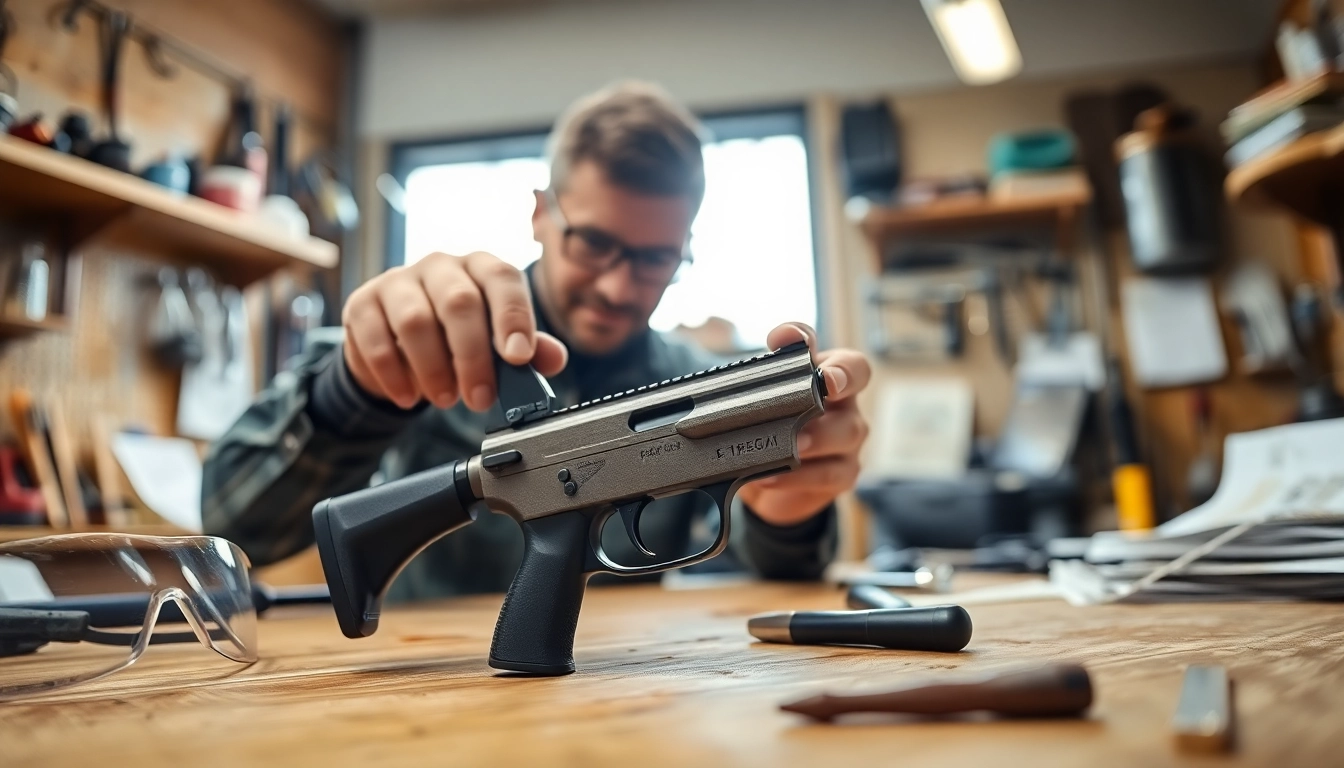
Properly installing a forced reset trigger is crucial for optimal performance. Here’s a general guide:
- Gather Tools: Prepare necessary tools, typically including a punches tool set, screwdriver, and cleaning supplies.
- Clear Your Firearm: Ensure the firearm is unloaded and in a safe workspace.
- Remove the Old Trigger: Disassemble your firearm’s lower receiver and carefully remove the existing trigger mechanism.
- Install the New Trigger: Align the forced reset trigger with the proper mounting points and secure it in place according to the manufacturer's specifications.
- Reassemble the Firearm: Follow the disassembly steps in reverse to reassemble your firearm.
- Function Test: Conduct a function test to ensure proper installation and functionality before use.
Routine Maintenance Tips
Maintaining your forced reset trigger ensures longevity and reliable performance. Follow these routine maintenance tips:
- Regular Cleaning: Disassemble the trigger and clean it periodically to remove dirt and debris.
- Lubrication: Use appropriate lubricants designed for firearm parts to minimize friction and wear.
- Inspect for Wear: Regularly check for any signs of wear and replace components as necessary to maintain functionality.
Common Issues and Solutions
Even with proper installation and maintenance, issues can arise with forced reset triggers. Here are common problems and their solutions:
- Non-Resetting Trigger: This can be caused by improper installation or worn components. Review installation steps and replace any defective parts.
- Inconsistent Trigger Pull: This may indicate a need for cleaning or lubrication. Ensure all moving components are properly cleaned and lubricated.
- Trigger Lock-Up: If the trigger locks up, it may require disassembly to troubleshoot internal parts that may be binding.
Legal Considerations
Understanding Local Laws and Regulations
The landscape of firearm laws can be complex, and forced reset triggers are no exception. It's imperative to understand:
- State Regulations: Ensure you are familiar with your state's specific regulations regarding forced reset triggers.
- Federal Laws: The Bureau of Alcohol, Tobacco, Firearms and Explosives (ATF) may have additional regulations that you should review.
Compliance with Safety Standards
When purchasing and installing a forced reset trigger, be conscious of compliance with industry safety standards. Following these can mitigate risks during usage:
- Manufacturer Guidelines: Always adhere to the installation and usage instructions provided by the manufacturer.
- Safety Certifications: Look for triggers that have undergone safety testing and possess relevant certifications.
Impact of Regulations on Market Availability
Local and federal regulations can greatly affect the availability of forced reset triggers within the market:
- Market Limitations: Certain areas may have restrictions that lead to limited selection or entirely prevent the sale of forced reset triggers.
- Impact on Prices: In regulated markets, higher demand and limited supply may lead to inflated pricing for compliant models.
Frequently Asked Questions
What is a forced reset trigger?
A forced reset trigger allows quicker shooting without needing manual resetting, facilitating faster follow-up shots for various shooting scenarios.
Are forced reset triggers legal?
The legal status varies by location; it's crucial to check local regulations regarding the purchase and installation of forced reset triggers.
How do I maintain my forced reset trigger?
Regular cleaning and lubrication are necessary to ensure optimal performance and longevity, following proper maintenance protocols for firearms.
Can a forced reset trigger improve accuracy?
While it aids in faster firing, actual accuracy largely depends on the shooter's skill and stability of the firearm during use.
Where can I find the best forced reset trigger for sale?
Look for reputable online retailers and specialized firearm shops that offer a selection of high-quality forced reset triggers.