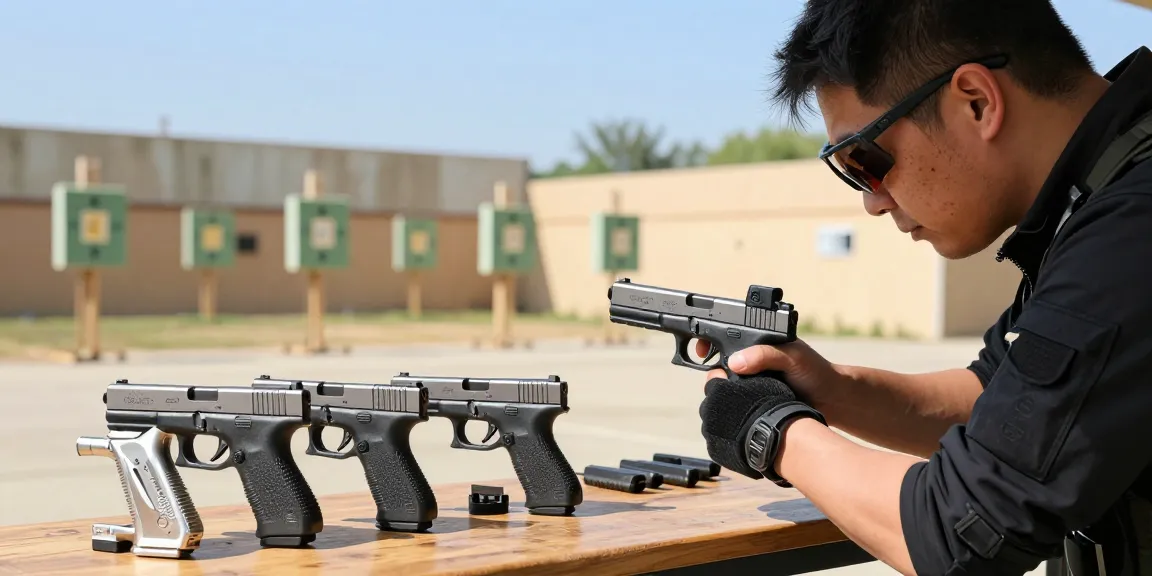
Understanding Protective Foam Pelican Cases
When it comes to safeguarding valuable equipment, few solutions offer the protection and reliability that Protective foam Pelican Cases provide. These cases are engineered to endure extreme conditions, ensuring that your gear remains safe, secure, and accessible. But what exactly sets these cases apart, and why is foam an integral component? This article delves deep into the essentials of protective foam Pelican cases, examining their features, customization options, maintenance, and more.
What Are Protective Foam Pelican Cases?
Protective foam Pelican cases represent a premier choice for transporting and storing various items, including electronics, tools, and firearms. Unlike standard storage solutions, Pelican cases combine durable, impact-resistant exteriors with customizable foam interiors. This combination not only provides protection against physical damage during transport but also keeps contents organized and secure.
The Importance of Foam in Protective Cases
Foam is more than just a cushioning material; it is the first line of defense against shock, vibration, and external impacts. When high-quality foam is used inside Pelican cases, it absorbs energy and minimizes the risk of damage to sensitive gear. Additionally, foam inserts can be custom-designed to fit the dimensions of specific items, which ensures that everything remains firmly in place even during the roughest handling.
Key Features to Look For
- Temperature Resistant: Foam can withstand varying temperatures without losing its protective qualities.
- Water Resistance: Many foam types offer moisture resistance, adding another layer of protection against environmental elements.
- Reusability: Durable foam materials, such as those found in Pelican cases, maintain their structural integrity over repeated uses.
- Customizability: Foam can be tailored to fit unique items, ensuring a snug fit that prevents movement during transit.
Customization Options for Protective Foam Pelican Cases
Choosing the Right Foam Type
Different foam types serve varied protective functions. Common options include:
- Pick N Pluck Foam: This pre-scored foam allows users to remove segments easily, adapting the shape to fit their equipment.
- Solid Foam: This dense foam offers excellent cushioning and is ideal for items that require significant stability.
- Kaizen Foam: This modular foam can be reconfigured as needed, making it perfect for constantly changing storage needs.
Designing Custom Foam Inserts
Custom foam design enables maximum protection for your valuables. Here’s how to create the ideal insert:
- Measure your items: Precise measurements are essential to design cutouts that cradle each item perfectly.
- Select foam density: Depending on the nature of your items, select a foam that provides adequate cushioning and support.
- Utilize design software: Some manufacturers provide online tools where users can input dimensions and receive a design template.
- Prototype testing: Consider creating a cardboard model to assess the fit before finalizing the foam design.
Common Applications and Use Cases
Protective foam Pelican cases find use in numerous fields:
- Photography: Photographers utilize Pelican cases to shield cameras and lenses from drops and harsh weather.
- Military and Tactical: These cases protect sensitive equipment and firearms from environmental factors.
- Medical Equipment: Ensuring that delicate instruments remain intact during transport is critical in the medical field.
- Data Storage: Electronics specialists rely on Pelican cases to keep hard drives and devices secure and organized.
Best Practices for Care and Maintenance
Cleaning and Maintaining Foam Inserts
Keeping foam inserts clean extends their lifespan and maintains protective qualities:
- Avoid harsh chemicals: Utilize mild soap and water for cleaning; avoid solvents that might degrade foam.
- Periodic inspections: Regularly check foam for wear or damage to ensure that it continues to provide optimal protection.
- Air drying: After cleaning, allow foam to air dry completely before reinserting it into the case.
Storing Protective Foam Pelican Cases
Proper storage of Pelican cases maximizes their longevity:
- Away from direct sunlight: Whenever possible, store cases in cool, dark environments to prevent degradation.
- Avoid stacking: Avoid placing heavy objects on top of foam cases, as this can compress or damage the foam structure.
Ensuring Longevity of Foam Protection
To ensure your foam retains its protective properties:
- Regular use: Using your cases consistently will keep foam resilient and properly formed.
- Avoid excessive moisture: Ensure that foam remains dry and free from moisture to prevent mold or warping.
Comparing Foam Types for Protection
Pick N Pluck Foam vs. Custom Foam
While Pick N Pluck foam offers convenience and versatility, custom foam is tailored specifically for your items, providing even better protection. Choose based on your specific needs; for rapidly changing equipment, Pick N Pluck foam may be ideal, whereas custom foam may be best for consistent storage solutions.
Advantages of Kaizen Foam Inserts
Kaizen foam is particularly renowned for its adaptability and durability. Unlike traditional foam, it can be reconfigured and reused, making it a smart investment for those who frequently change or update equipment.
Evaluating Price and Quality
When considering the price of foam inserts, remember that higher costs can correlate with better quality and durability. Investing in high-quality foam can save money over time, reducing the need for replacements.
FAQs about Protective Foam Pelican Cases
How do I customize my foam insert?
You can customize foam inserts by measuring your items and using designs to create precise cutouts for a snug fit.
What are the benefits of using Pelican foam cases?
Pelican foam cases offer exceptional protection against impacts, dust, and moisture, keeping your gear safe.
Can I use foam inserts for other brands?
Yes, foam inserts can be used for various brands; just check compatibility with dimensions before purchasing.
How do I clean my protective foam?
Use a damp cloth for light cleaning; air dry and avoid harsh chemicals that can degrade the material.
What types of items can I protect with these cases?
You can protect cameras, electronics, firearms, tools, and sensitive equipment with protective foam Pelican Cases.