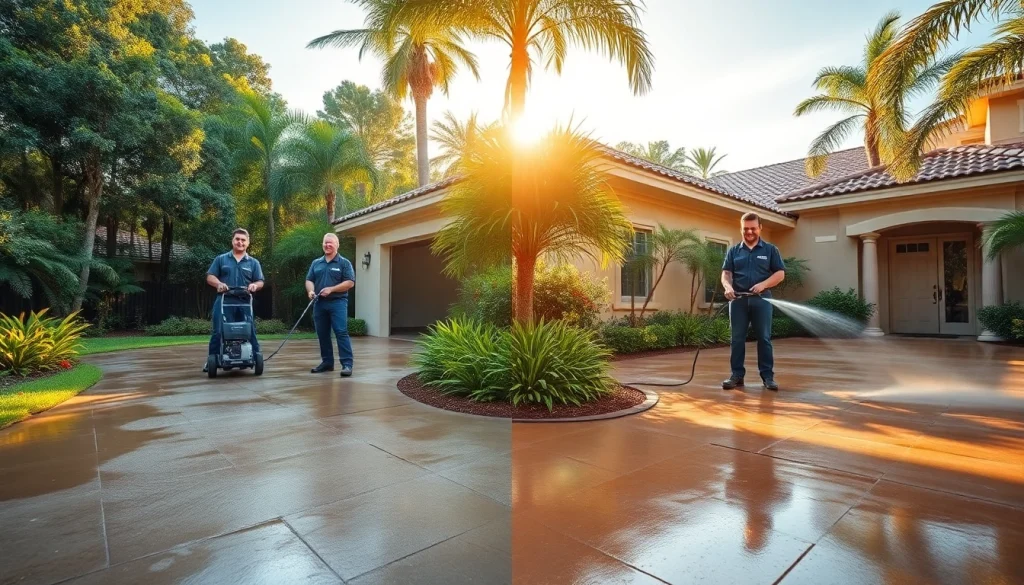
Understanding Concrete Cleaning
Concrete cleaning is essential for maintaining the aesthetic and structural integrity of surfaces such as driveways, patios, sidewalks, and more. It’s not just about aesthetics; proper cleaning prolongs the life of the concrete and prevents damage caused by dirt, mold, oil, and other contaminants. In Kissimmee and the greater Orlando area, where humidity can foster mold growth and the summer sun can lead to staining, regular concrete maintenance is of utmost importance. When exploring options, concrete cleaning not only enhances the look of your property but also protects your investment.
What is Concrete Cleaning?
Concrete cleaning refers to the process of removing dirt, grime, stains, and other impurities from concrete surfaces through various methods. Whether it’s a residential driveway, a commercial parking lot, or a public sidewalk, the cleaning process can significantly differ based on the type of surface and the nature of the stains. Understanding the different techniques and tools available can help ensure optimal results and minimize potential damage to the concrete.
Benefits of Professional Concrete Cleaning
Investing in professional concrete cleaning provides numerous advantages that extend beyond mere aesthetics:
- Enhanced Curb Appeal: Clean concrete surfaces dramatically improve the overall appearance of your property, making it more inviting and appealing.
- Increased Lifespan: Regular cleaning prevents the buildup of harmful substances like mold and algae, which can degrade the concrete over time.
- Health Benefits: Removing mold and mildew reduces allergens and improves air quality, making your environment healthier.
- Cost-Effective: Addressing stains and contamination early can save you money on extensive repairs or replacements in the long run.
Common Concrete Cleaning Techniques
There are several effective techniques for cleaning concrete, each suited to different levels of soiling and types of stains:
- Pressure Washing: This method uses high-pressure water jets to remove stubborn dirt and stains. It’s highly effective for large areas but should be used with caution to avoid damaging the surface.
- Chemical Cleaning: Various acids and detergents can be used to break down complex stains, particularly oil and grease. This requires careful handling and should ideally be done by professionals.
- Foaming Cleaners: These products cling to the concrete’s surface, allowing the active ingredients to penetrate and break down dirt and stains over time.
- Hand Scrubbing: For smaller areas or delicate surfaces, manual scrubbing might be necessary, particularly when dealing with less stubborn stains.
Choosing the Right Concrete Cleaner
Selecting the appropriate cleaner for your concrete surfaces is crucial for achieving the best results. Factors such as the type of stains, the porosity of the concrete, and environmental considerations should influence your decision.
Types of Concrete Cleaners
There are various options to consider when picking a concrete cleaner:
- Alkaline Cleaners: These are effective for removing dirt and grime, particularly from driveways and sidewalks.
- Acidic Cleaners: Suitable for tougher stains like rust or efflorescence, these cleaners require caution due to their corrosive nature.
- Biodegradable Cleaners: These eco-friendly options are effective and safer for the environment, suitable for residential areas or sensitive surroundings.
Eco-Friendly Options for Concrete Cleaning
With a growing emphasis on sustainability, eco-friendly cleaning solutions are gaining traction. Options include:
- Natural Vinegar and Baking Soda: A mixture of vinegar and baking soda can effectively tackle lighter stains without harsh chemicals.
- Hydrogen Peroxide: This solution is great for mold and mildew, providing a safe alternative to bleach.
- Citrus-Based Cleaners: These are non-toxic and highly effective against grease stains, making them suitable for outdoor cleaning.
When to Use Chemical vs. Pressure Washing
Determining whether to use chemicals or pressure washing often depends on the severity of the stains:
- Light Stains: For surfaces with minimal dirt, a simple pressure wash might suffice.
- Moderate to Heavy Stains: In cases where stains have penetrated the surface, chemical treatments may be necessary to achieve thorough cleaning.
- Delicate Surfaces: If your concrete surface is older or more fragile, pressure washing may cause damage, making chemical cleaning a better option.
DIY vs. Professional Concrete Cleaning
While DIY concrete cleaning can be tempting for homeowners looking to save on costs, it’s essential to weigh the pros and cons before deciding.
Challenges of DIY Concrete Cleaning
Engaging in DIY concrete cleaning may seem straightforward, but several challenges can arise:
- Inadequate Results: Without the right equipment and knowledge, the results may not meet expectations.
- Poor Safety Practices: Chemicals and pressure washing tools can pose risks if not handled properly.
- Time-Consuming: Cleaning large areas can take significantly more time than professionals would require.
Benefits of Hiring Professionals
Choosing to hire a professional cleaning service offers several benefits:
- Expertise and Skill: Professionals understand the nuances of various concrete cleaning techniques and select the best approach for your specific surface.
- Proper Equipment: Access to industrial-grade equipment ensures more effective cleaning without the risk of damage.
- Time Efficiency: Professionals can complete the job quickly, allowing you to focus on other priorities.
- Warranty and Guarantees: Many professional services offer satisfaction guarantees, giving you peace of mind.
How to Choose a Concrete Cleaning Service
Selecting the right concrete cleaning service can make all the difference. Consider these factors:
- Experience: Look for companies with a proven track record in concrete cleaning.
- Reputation: Check online reviews and testimonials to gauge customer satisfaction.
- Services Offered: Ensure they provide the specific type of cleaning you need.
- Insurance and Licensing: A legitimate company should be licensed and insured to protect you against any liabilities.
Preparing for Concrete Cleaning
Before undertaking a concrete cleaning project, proper preparation is key to achieving successful results. Here are steps you should take:
Assessing Your Concrete Surface
Begin by examining your concrete surfaces for any cracks, stains, or discoloration. Understanding these conditions can help determine the best cleaning method:
- Identify Stains: Determine the nature of the stains (oil, mold, rust) to choose the right cleaning solution.
- Surface Integrity: Inspect for existing damage that might worsen during cleaning.
Safety Measures for Concrete Cleaning
Safety should always be a priority when cleaning concrete:
- Protective Gear: Use gloves, goggles, and masks, especially when dealing with chemicals or high-pressure equipment.
- Area Preparation: Clear the area of furniture, plants, and other obstacles that may impede access or become damaged.
Gathering Necessary Equipment and Supplies
Ensure you have all required tools and materials before starting:
- Pressure Washer: A high-power washer with adjustable pressure settings can tackle different types of cleaning tasks.
- Cleansers: Choose the appropriate cleaning agents based on the stains identified earlier.
- Brushes and Brooms: These can help with scrubbing stubborn stains.
Post-Cleaning Care and Maintenance
After your concrete cleaning project, proper care can prolong the clean look of your surfaces. Here are some tips for maintenance:
Sealing Concrete After Cleaning
Applying a concrete sealer post-cleaning is highly recommended. Sealers provide a protective layer that helps prevent staining and damage:
- Types of Sealers: You can choose between penetrating sealers that absorb into the concrete or topical sealers that coat the surface.
- Application: Follow the manufacturer’s instructions for the best results, usually requiring a clean and dry surface.
Regular Maintenance Tips for Concrete Surfaces
To keep your concrete looking fresh, consider these maintenance tips:
- Routine Cleaning: Regularly sweep and wash the surface to prevent dirt buildup.
- Immediate Stain Treatment: Address stains as soon as they occur to ensure they do not set.
- Inspect for Damage: Regularly check for cracks or wear that may need professional attention.
Future Trends in Concrete Care and Cleaning
As technology evolves, new methods and products emerge in concrete care:
- Smart Sensors: These can monitor the condition of concrete surfaces and signal when cleaning is necessary.
- Green Products: An increasing emphasis on eco-friendly cleaning agents will shape the industry, enabling more sustainable practices.
- Advanced Cleaning Equipment: Innovations in pressure washing technology will enhance effectiveness while minimizing damage risks.